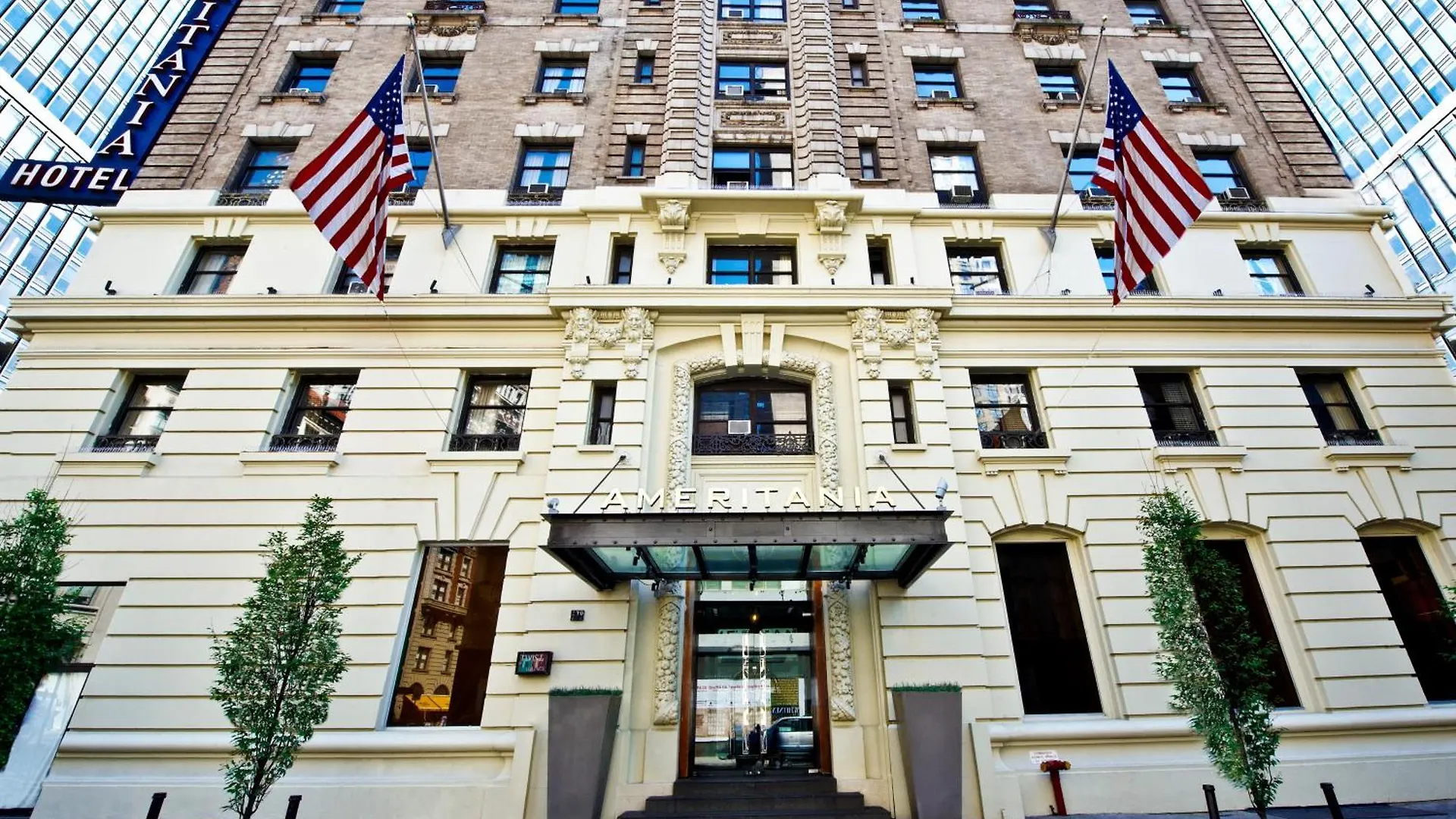
Broadway Theater District sits at the epicenter of Midtown Manhattan, where the density of entertainment, transit, and foot traffic makes hotel selection a genuinely strategic decision. This guide covers seven 4-star hotels in the district, comparing location, room quality, and practical value so you can book with confidence rather than guesswork.
What It's Like Staying in Broadway Theater District
Staying in Broadway Theater District means you are within a few blocks of Times Square, major subway hubs, and a concentration of theaters that runs from 41st to 54th Street along 7th and 8th Avenues. The area never fully quiets down - foot traffic remains dense well past midnight on weekends, which is a genuine trade-off for the unbeatable access to shows, transit, and Midtown dining. The A, C, E, 1, 2, 3, N, Q, R, and W subway lines all pass through within walking distance, making the rest of Manhattan and both major airports reachable without a cab.
Noise levels on west-facing rooms on 7th or 8th Avenue are noticeably higher than in quieter Midtown East, so soundproofing matters more here than in most other Manhattan neighborhoods. Travelers attending multiple Broadway shows benefit most from this location - you can walk to curtain call in under 10 minutes from any hotel on this list.
Pros:
- Direct walking access to major Broadway theaters, Times Square, and Midtown landmarks without needing any transport
- Exceptional subway connectivity with multiple lines converging within a few blocks
- High density of dining, entertainment, and late-night options within the immediate blocks
Cons:
- Street noise on west-facing rooms is persistent, particularly on Friday and Saturday nights
- Hotel rates in this district run noticeably above the Manhattan average due to location premiums
- Heavy tourist foot traffic on 7th Avenue and Times Square blocks can slow walking pace significantly
Why Choose 4-Star Hotels in Broadway Theater District
Four-star hotels in Broadway Theater District occupy a specific niche - they offer structured services like 24-hour front desks, fitness centers, daily housekeeping, and on-site bars or restaurants without the full-suite pricing of luxury properties like those on Central Park South. In this district, the premium for a 4-star property over a standard 3-star option typically reflects around 30% more in nightly rate, but the difference in soundproofing quality, room finish, and amenity depth is often significant. Room sizes in Midtown 4-star hotels average around 25 square meters, which is compact by most standards but on par with the neighborhood norm - the value comes from amenity access and location, not square footage.
The key differentiator for this category in Broadway Theater District is that most properties include fitness facilities and lobby services that budget hotels in the same blocks do not offer - a practical advantage for longer stays or business-adjacent travel. The trade-off is that even 4-star rooms here may face high exterior noise and corridors that stay busy until late evening.
Pros:
- Consistent amenity stack including fitness centers, bars, and concierge access not found in lower categories
- Better soundproofing and room finish quality compared to 3-star properties on the same streets
- On-site breakfast options and extended front desk hours reduce logistical friction for theater-schedule travelers
Cons:
- Room sizes remain compact even at the 4-star level - this is a Midtown Manhattan reality, not an exception
- Nightly rates spike sharply during Broadway opening nights, New Year's Eve, and summer peak season
- Street-level noise intrusion can undercut the higher-end room experience on lower floors facing avenues
Practical Booking & Area Strategy
The strongest micro-location within Broadway Theater District for hotel access is between West 44th and West 53rd Street, where you are within direct walking distance of the majority of Broadway houses, the subway stations at 42nd Street-Times Square and 50th Street, and core Midtown dining on 9th Avenue's Restaurant Row. Hotels positioned on or just off 7th Avenue benefit from proximity without the full noise exposure of properties directly on Broadway itself. Bryant Park sits just two blocks east of several hotels on this list, offering a rare pocket of calm in an otherwise high-intensity district - and access to the New York Public Library, Rockefeller Center at around 700 meters north, and the Empire State Building at around 1 kilometer south.
For Broadway show-goers, booking hotels on the west side of 7th Avenue cuts your walk to the TKTS booth and major theater entrances. Book at least 6 weeks ahead for stays between June and August or during major holidays - rates in this corridor compress quickly when capacity is high. The 1/2/3 subway lines at Times Square-42nd Street connect you directly to Penn Station for Amtrak and LIRR, while the A/C/E lines reach JFK in under an hour via AirTrain at Howard Beach.
Best Value Stays
These properties deliver strong location access and consistent 4-star amenities at more accessible price points within Broadway Theater District, with walkable distances to Times Square and major transit hubs.
-
1. Ameritania At Times Square
Show on map


 Check-infrom 15:00 until 23:59Check-outuntil 12:00
Just a few rooms left at the best rate!
fromUS$ 361
-
2. Hotel Scherman
Show on map


 Check-infrom 15:00 until 23:59Check-outuntil 11:00
Just a few rooms left at the best rate!
fromUS$ 99
-
3. The Manhattan At Times Square Hotel
Show on map


 Check-infrom 16:00 until 23:59Check-outuntil 12:00
Just a few rooms left at the best rate!
fromUS$ 164
Best Premium Stays
These four properties offer elevated amenity depth, distinctive positioning, or apartment-style space within Broadway Theater District - suited to travelers who prioritize comfort, extended stays, or a more polished experience in one of Manhattan's most intense neighborhoods.
-
4. Park Terrace Hotel
Show on map


 Check-infrom 15:00 until 23:30Check-outfrom 06:00 until 12:00
Hurry – almost gone at this price!
fromUS$ 228
-
5. Civilian Hotel
Show on map


 Check-infrom 16:00 until 23:59Check-outuntil 11:00
Hurry – almost gone at this price!
fromUS$ 184
-
6. Ac Hotel By Marriott New York Times Square
Show on map


 Check-infrom 16:00 until 23:59Check-outuntil 11:00
Rooms filling fast – secure the best rate!
fromUS$ 134
-
7. Aka Times Square
Show on map


 Check-infrom 15:00 until 23:59Check-outuntil 11:00
Rooms filling fast – secure the best rate!
fromUS$ 235
Smart Travel & Timing Advice for Broadway Theater District
Broadway Theater District operates on a distinct seasonal rhythm that directly affects both hotel availability and street-level experience. June through August is peak season - Broadway shows run at full capacity, Times Square reaches maximum tourist density, and hotel rates across all categories climb sharply. Booking during this window requires at least 6 weeks of lead time for 4-star properties, particularly on weekends coinciding with major show openings or Tony Awards week in June. September through November offers a measurable drop in street crowds while the fall Broadway season runs strong - often the best window for combining show access with lower rates and more comfortable walking conditions.
January and February are the quietest months in the district: rates drop, crowds thin, and many hotels offer promotional packages to maintain occupancy. A stay of around 3 nights is the practical minimum to justify the Theater District premium - enough time to attend two shows, cover Midtown landmarks on foot, and experience the neighborhood across both weekday and weekend rhythms. Last-minute bookings rarely pay off here - the district's popularity as a destination means unsold inventory at 4-star properties fills quickly, and rate discounts in the final 48 hours are uncommon compared to less central Manhattan neighborhoods.