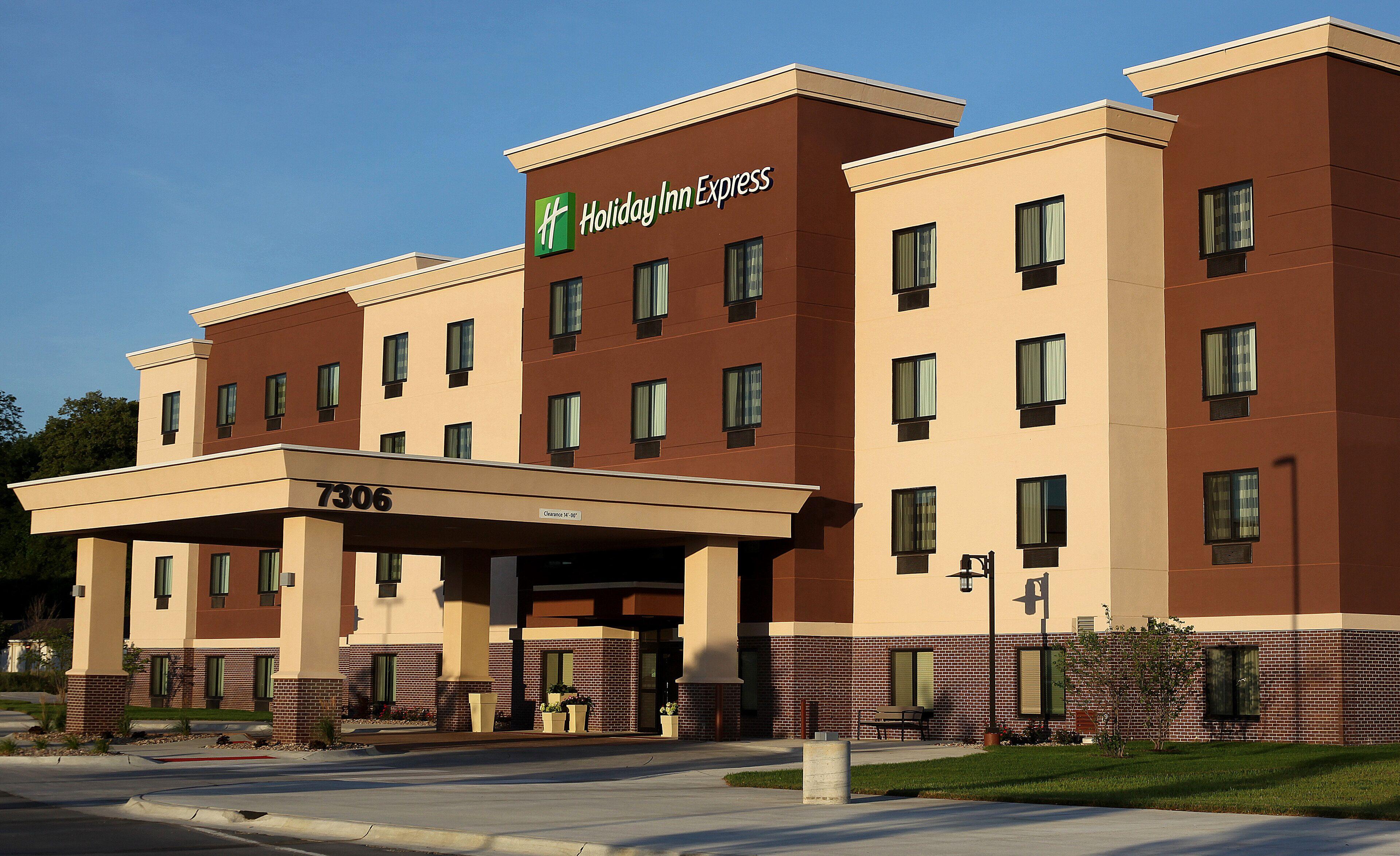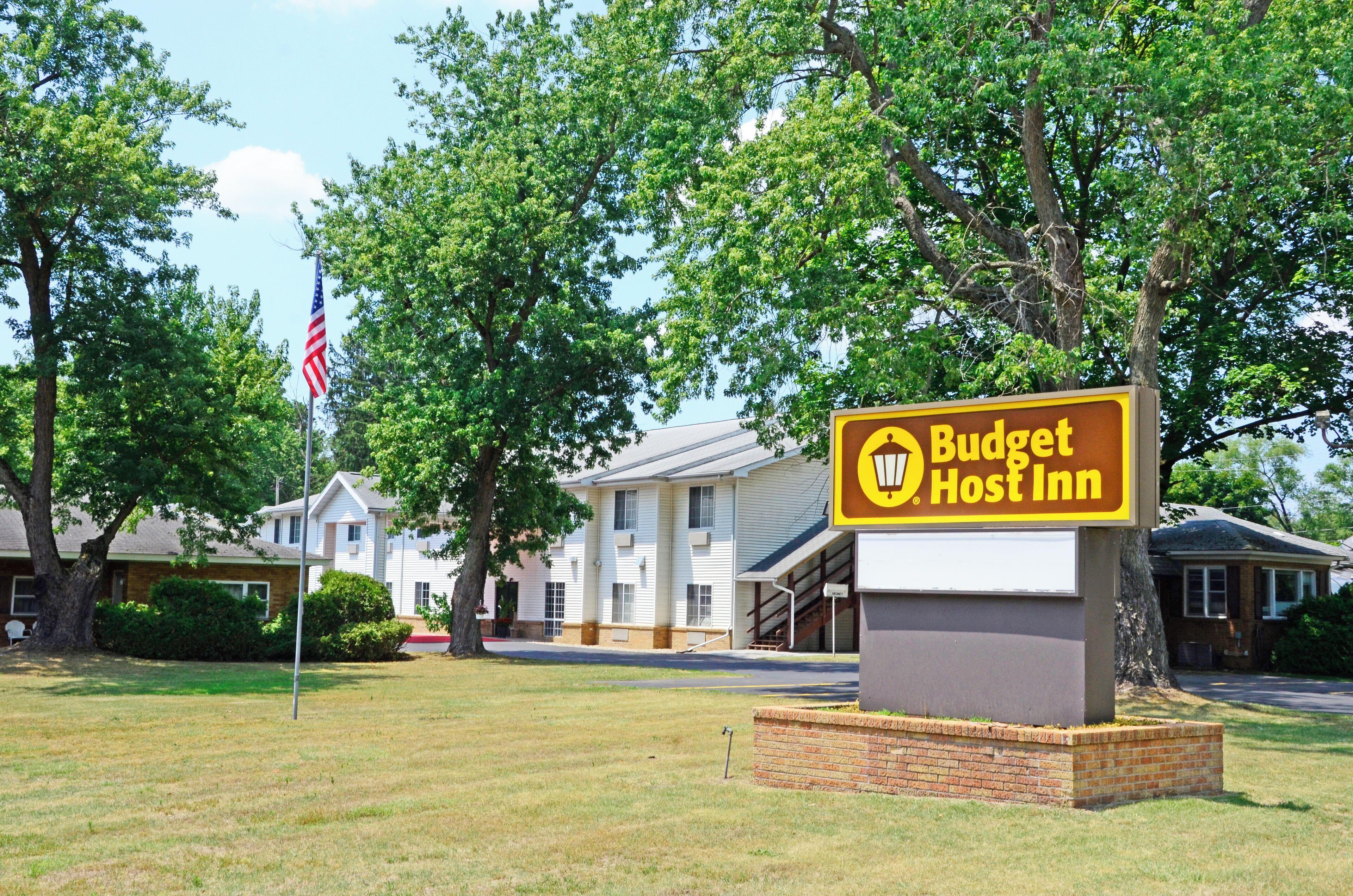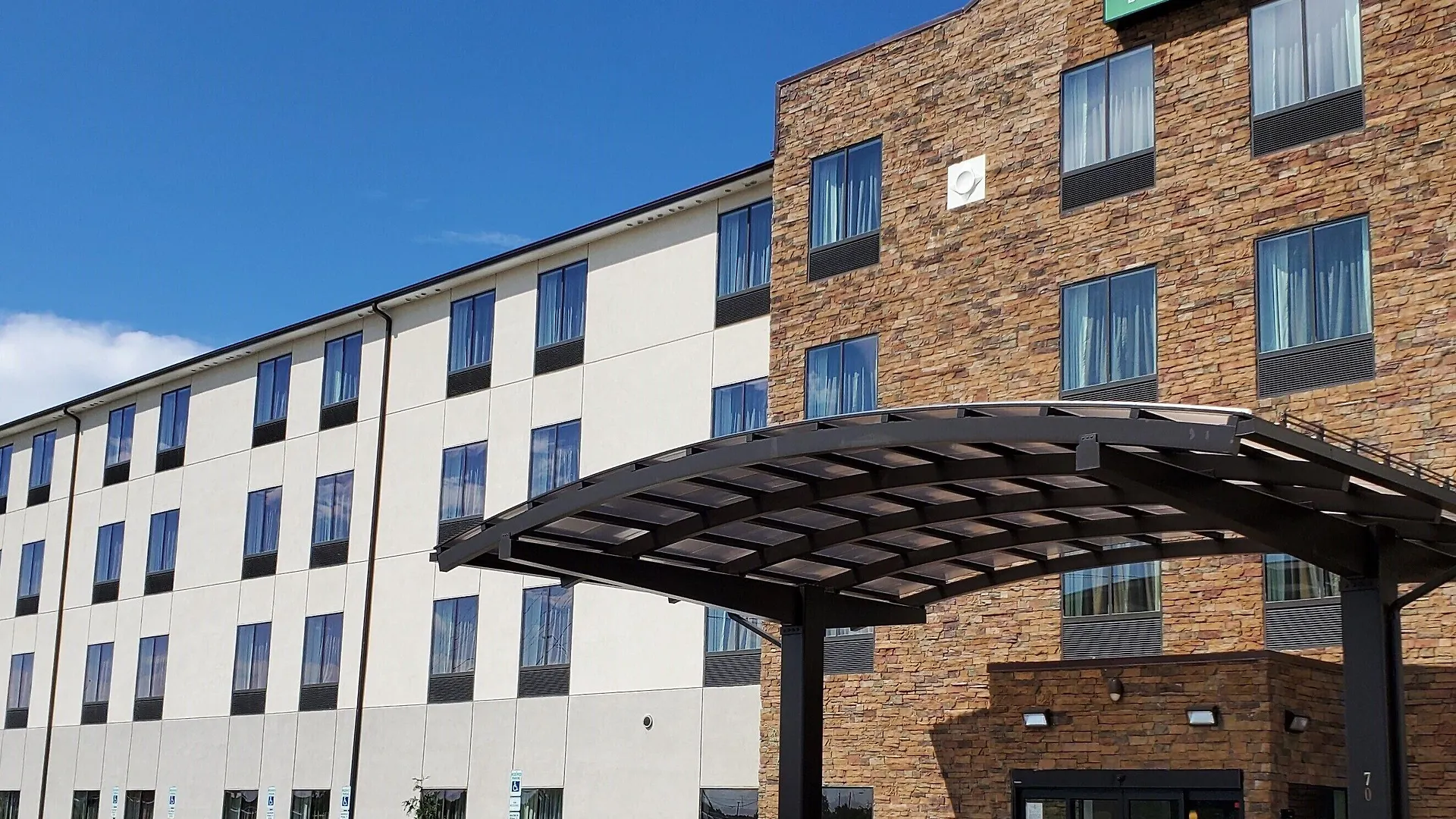
The Appalachian Mountains stretch over 3,000 kilometers across 14 states, from Georgia's Blue Ridge foothills to the rugged peaks of northern New England - making hotel selection here one of the most location-dependent decisions a traveler can make. Whether you're accessing the trail system, visiting historic landmarks like Fallingwater, or skiing Whiteface Mountain, your base town determines everything from drive times to crowd exposure. This guide covers 15 hotels across the Appalachian corridor - in Virginia, Pennsylvania, Georgia, Vermont, New York, and Kentucky - with specific detail on what each property actually delivers for mountain-region travelers.
What It's Like Staying in the Appalachian Mountains
Staying in the Appalachian Mountains means trading urban convenience for access to one of North America's most iconic natural corridors - but the experience varies sharply depending on which state and town you choose. Gateway towns like Lake Placid, Waitsfield, and Dahlonega have developed tourism infrastructure, while smaller stops like Towanda or Chalk Hill operate at a quieter, more local pace. Car travel is non-negotiable across most of the range; public transit is essentially absent between trailheads, historic sites, and lodging. Seasonal crowd patterns are pronounced: fall foliage weeks (typically October) and summer hiking season push occupancy up significantly, while winter brings skiers to the northern sections and relative quiet to the southern Appalachians. Travelers who benefit most are those combining outdoor activity with cultural stops - the Appalachian range sits within reach of the Appalachian Trail, state parks, Olympic venues, and historic railroad landmarks all within a single road trip framework.
Pros:
- Direct access to Appalachian Trail entry points, state parks, and mountain recreation without long drives from major cities
- Lodging costs are meaningfully lower than comparable mountain destinations in the Rockies, with many 3-star properties offering full amenities at competitive rates
- The region spans multiple states, making it easy to build multi-stop itineraries through Virginia, Pennsylvania, Georgia, and Vermont in a single trip
Cons:
- A rental car is essential for nearly every property on this list - there is no meaningful intercity transit along the Appalachian corridor
- Dining and entertainment options thin out significantly after 9 PM in most gateway towns outside Lake Placid and Dahlonega
- Fall foliage season (late September through October) causes hotel rates to spike and last-minute availability to disappear across the entire range
Why Choose Hotels in the Appalachian Mountains
Hotels along the Appalachian corridor - as opposed to vacation rentals or campsite lodges - provide the most consistent baseline of amenities for travelers who are splitting time between outdoor activity and regional sightseeing. Most properties in this guide are 3-star branded hotels (Hampton Inn, Hilton Garden Inn, Courtyard by Marriott, Holiday Inn Express) that offer free breakfast, indoor pools, fitness centers, and reliable free parking - features that matter when you're arriving muddy from a trail or need an early start for a long driving day. Free parking is standard at virtually every property in this selection, a significant practical advantage over mountain resorts in New England or the Smokies that charge daily parking fees. Pricing across the Appalachian hotel corridor is notably accessible - around 30% less expensive on average than comparable branded hotels near national park entrances in the western US. Room sizes tend to be generous at suburban gateway locations like Mansfield, Uniontown, and Christiansburg, where hotels are built for road travelers rather than resort guests. The main trade-off is distance: many of these properties sit 20 to 45 kilometers from the headline attractions they serve, meaning a car ride is part of every itinerary.
Pros:
- Branded hotel chains deliver predictable quality - loyalty points, consistent breakfast, and reliable Wi-Fi - critical when traveling through multiple remote gateway towns
- Free private parking is included at nearly all properties, eliminating a cost that resort-style mountain lodges frequently add to the nightly rate
- Indoor pools and fitness centers are common even at mid-range properties, giving active travelers a recovery option after full hiking or skiing days
Cons:
- Most hotels are positioned in town centers or highway corridors, not at trailheads or scenic overlooks, requiring daily drives to access mountain terrain
- Boutique character is limited - the majority of available hotels are branded chain properties optimized for road travelers, not immersive mountain experiences
- Availability in smaller towns like Towanda or Waitsfield is thin, meaning alternative lodging options are scarce if your preferred property sells out
Practical Booking & Area Strategy for the Appalachian Mountains
The Appalachian Mountains span an enormous geographic area, so your base town should be chosen based on your primary activity rather than a general sense of being "in the mountains." For hikers targeting the Appalachian Trail's southern section, Dahlonega, Georgia is the strongest base - it sits near the trail's southern terminus at Springer Mountain and within reach of Smithgall Woods and Raven Cliffs Falls. For Pennsylvania's iconic landmarks like Fallingwater and the Allegheny Highlands, Uniontown and Altoona offer the best-positioned hotels with the most amenities. In northern New York, Lake Placid is the obvious anchor for Adirondack and High Peaks access, sitting just 35 kilometers from Whiteface Mountain and walking distance from the Lake Placid Winter Olympic Museum. Vermont's Mad River Valley near Waitsfield appeals to travelers combining Green Mountain hiking with resort-area atmosphere. Book at least 8 weeks ahead for October travel across the entire corridor - foliage season is the single highest-demand period and causes rates to jump sharply. For Georgia and Virginia properties, summer weekends also compress availability fast. Williamsburg and Mansfield, PA sit near the Pennsylvania Grand Canyon (Colton Point State Park), one of the most underrated Appalachian viewpoints and a strong reason to position in north-central Pennsylvania. Driving between Appalachian base towns is scenic but time-intensive - plan no more than one major location shift per day to avoid spending the trip behind the wheel.
Best Value Hotels in the Appalachian Mountains
These properties deliver reliable amenities, free parking, and strong practical value across the Appalachian corridor - well suited to road travelers, hikers, and families managing multi-night itineraries without inflated nightly rates.
-
1. Wingate By Wyndham Christiansburg
Show on map


 Check-infrom 15:00 until 23:59Check-outuntil 12:00
Hurry – almost gone at this price!
fromUS$ 287
-
2. Quality Inn & Suites Towanda
Show on map


 Check-infrom 14:00 until 23:59Check-outuntil 11:00
Hurry – almost gone at this price!
fromUS$ 99
-
3. The Landmark Hotel
Show on map


 Check-infrom 15:00 until 23:59Check-outuntil 11:00
Best price guarantee
fromUS$ 89
-
4. Motel 6-Dalton, Ga
Show on map


 Check-infrom 15:00 until 23:59Check-outuntil 11:00
Rooms filling fast – secure the best rate!
fromUS$ 66
-
5. Lodge At Chalk Hill
Show on map


 Check-infrom 15:00 until 20:00Check-outfrom 08:00 until 11:00
Hurry – almost gone at this price!
fromUS$ 92
-
6. Holiday Inn Express Calhoun South By Ihg
Show on map


 Check-infrom 15:00 until 23:59Check-outuntil 11:00
Best price guarantee
fromUS$ 124
-
7. Candlewood Williamsport By Ihg
Show on map


 Check-infrom 15:00 until 23:59Check-outuntil 11:00
Rooms filling fast – secure the best rate!
fromUS$ 325
Best Premium Hotels in the Appalachian Mountains
These properties offer elevated amenities, stronger landmark proximity, or distinctive positioning that justifies a higher nightly investment - suited to travelers who want more than a functional overnight stop along the Appalachian corridor.
-
1. Cambria Hotel Lake Placid - Lakeside Resort
Show on map


 Check-infrom 16:00 until 23:59Check-outuntil 11:00
Rooms filling fast – secure the best rate!
fromUS$ 262
-
2. Hampton Inn & Suites - Mansfield
Show on map


 Check-infrom 15:00 until 23:59Check-outuntil 11:00
Just a few rooms left at the best rate!
fromUS$ 134
-
3. Hilton Garden Inn Uniontown
Show on map


 Check-infrom 16:00 until 23:59Check-outuntil 11:00
Just a few rooms left at the best rate!
fromUS$ 90
-
4. Dahlonega Resort And Vineyard
Show on map


 Check-infrom 15:30 until 23:00Check-outfrom 08:00 until 11:00
Rooms filling fast – secure the best rate!
fromUS$ 189
-
5. Courtyard By Marriott Dalton
Show on map


 Check-infrom 15:00 until 23:59Check-outuntil 12:00
Just a few rooms left at the best rate!
fromUS$ 249
-
6. Fairfield Inn & Suites By Marriott Altoona
Show on map


 Check-infrom 15:00 until 23:59Check-outuntil 12:00
Best price guarantee
fromUS$ 209
-
7. Mad River Lodge
Show on map


 Check-infrom 16:00 until 23:59Check-outuntil 11:00
Hurry – almost gone at this price!
fromUS$ 132
-
15. Cranmore Inn
Show on map


 Check-infrom 16:00 until 23:59Check-outuntil 11:00
Just a few rooms left at the best rate!
fromUS$ 169
Smart Travel & Timing Advice for the Appalachian Mountains
Timing your Appalachian Mountain trip correctly makes a significant difference in both cost and crowd experience. Fall foliage peaks between late September and mid-October depending on elevation and latitude - northern sections in Vermont and New Hampshire color first, with Georgia's Blue Ridge following around late October. This is the single most in-demand travel window across the entire corridor, and hotel availability at properties like Cambria Lake Placid, Mad River Lodge, and Dahlonega Resort can disappear 10 to 12 weeks in advance during peak weeks. Summer (June through August) is the primary hiking season and draws strong demand at trail-access towns like Dahlonega and Waitsfield, though rates remain more manageable than fall. Winter is quietest at southern Appalachian properties (Dalton, Calhoun, Dahlonega) but busiest at northern ski-access hotels near Lake Placid and North Conway - book those at least 6 weeks ahead for weekend stays during ski season. Spring (April through May) is the least-crowded window across most of the range, with waterfall flows at their peak in Georgia and Pennsylvania and wildflower blooms along the Virginia Blue Ridge - worth targeting if flexibility allows. For most Appalachian itineraries, a minimum of 3 nights per base town gives enough time to cover the primary trail, cultural, and scenic stop without feeling rushed between drive days.