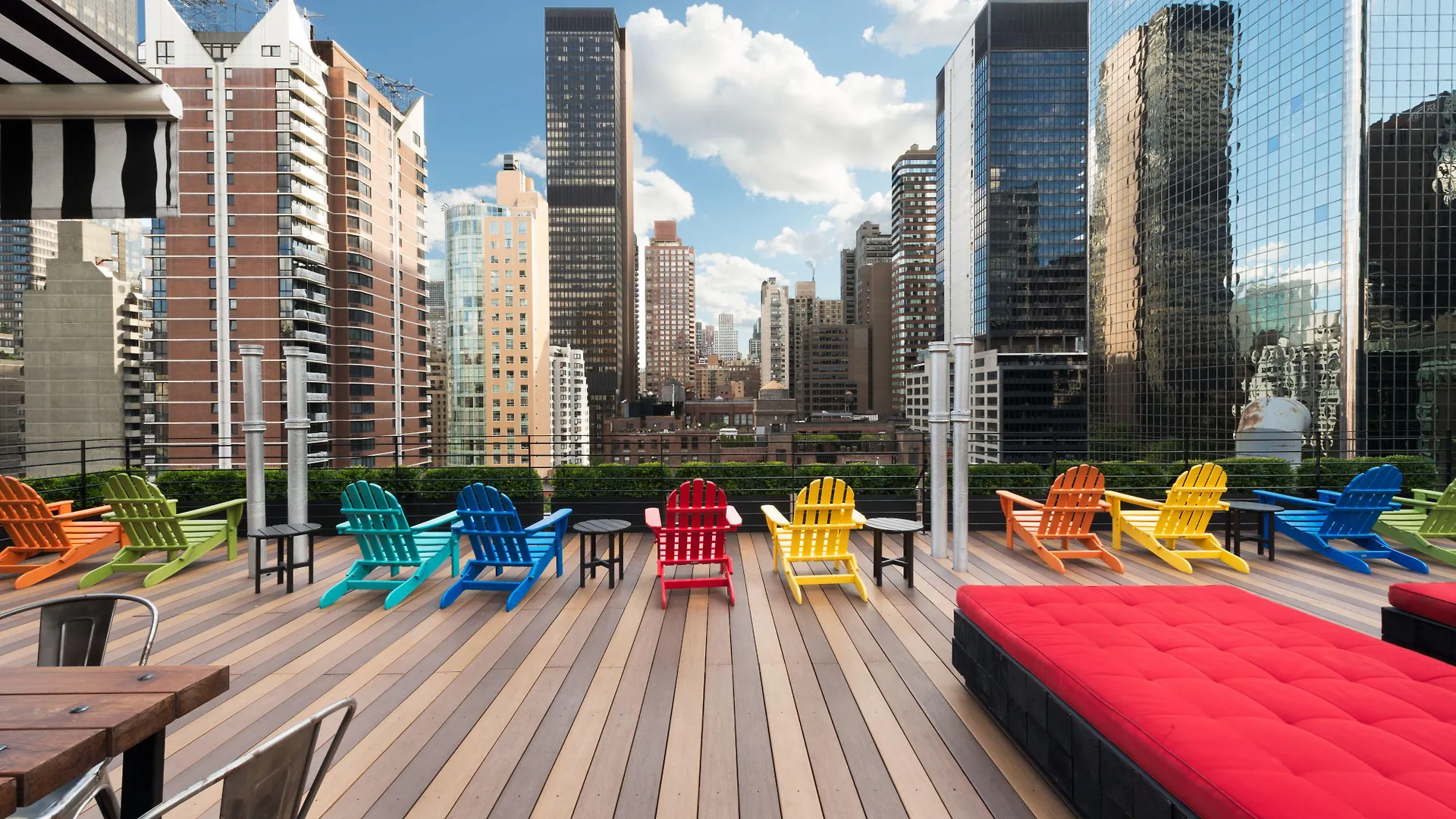
Midtown Manhattan is New York City's operational core - home to the Empire State Building, Times Square, Rockefeller Center, Penn Station, and Grand Central. Staying here puts you within walking distance of the city's most visited landmarks, major transit hubs, and some of its busiest shopping corridors. These 11 three-star hotels cover the full Midtown stretch, from the Fashion District near Herald Square to the upper reaches near Fifth Avenue and Rockefeller Center.
What It's Like Staying in Midtown Manhattan
Midtown Manhattan runs at full speed from early morning until well past midnight. Streets like 34th, 42nd, and 57th are active thoroughfares where foot traffic, construction noise, and vehicle congestion are part of daily life. Most attractions are within a 15-minute walk from any Midtown hotel, which eliminates the need for taxis or ride-shares during the day. The subway grid is dense here - multiple lines run beneath nearly every major avenue - making access to Lower Manhattan, Brooklyn, and the airports straightforward.
Pros:
- Unmatched transit access: A, C, E, 1, 2, 3, N, Q, R, B, D, F, M lines all converge in Midtown
- Walking-distance access to flagship attractions without paying for transport
- High concentration of dining, entertainment, and retail within a few blocks in any direction
Cons:
- Street-level noise is near-constant, especially on avenues between 34th and 50th Streets
- Midtown hotel rooms are among the smallest in any major global city - expect compact layouts even at 3-star level
- Sidewalk congestion around Times Square and Herald Square makes casual walks slower than maps suggest
Why Choose a 3-Star Hotel in Midtown Manhattan
Three-star hotels in Midtown occupy a specific market position: they provide brand reliability, consistent cleanliness standards, and functional amenities without the service overhead of full-service luxury properties. Rates at 3-star Midtown hotels typically run around 40% lower than comparable 4-star options in the same neighborhood, while still offering essentials like free WiFi, fitness centers, and 24-hour front desks. Room sizes remain tight - around 18 to 22 square meters is standard - but the trade-off is direct access to one of the most connected urban grids in the world.
Pros:
- Predictable quality standards backed by internationally recognized brands (Hilton, IHG, Best Western)
- Better price-to-location ratio than boutique or luxury alternatives in the same blocks
- Functional amenities - fitness centers, business centers, breakfast options - without paying for extras you may not use
Cons:
- Room sizes are noticeably smaller than 3-star equivalents in other U.S. cities
- Limited lobby space and social areas compared to upscale properties
- Elevator wait times and corridor noise increase significantly during peak check-in periods
Practical Booking & Area Strategy for Midtown
Within Midtown, positioning matters. Hotels on West 35th and West 36th Streets offer the best trade-off between proximity to Penn Station, Herald Square, and the Empire State Building without sitting directly on the noise corridor of 34th Street. Hotels closer to Eighth and Ninth Avenues tend to be quieter and slightly cheaper than their Fifth Avenue counterparts, while remaining within a 10-minute walk of Times Square. For transit, Penn Station gives you NJ Transit, Amtrak, and subway access in one location, while Grand Central - about 1.5 km east - connects directly to Metro-North and multiple subway lines.
Book at least 6 weeks in advance for travel during September through November, when hotel occupancy in Midtown peaks due to fashion weeks, UN General Assembly, and the fall conference season. The area around Herald Square and the Fashion District is walkable to Madison Square Garden, making it the most practical base for event attendees. Macy's at Herald Square and the Empire State Building observation deck are the two highest-footfall landmarks in this pocket of Midtown - factor in crowd times when planning arrivals and departures.
Best Value Stays
These options deliver strong location value and functional amenities at the most competitive price points within Midtown Manhattan.
-
1. Pod 51
Show on map


 Check-infrom 15:00 until 23:59Check-outuntil 12:00
Just a few rooms left at the best rate!
fromUS$ 99
-
2. Midtown West Hotel
Show on map


 Check-infrom 15:00 until 23:00Check-outuntil 11:00
Just a few rooms left at the best rate!
fromUS$ 124
-
3. Leo House
Show on map


 Check-infrom 16:00 until 23:59Check-outuntil 11:00
Just a few rooms left at the best rate!
fromUS$ 196
-
4. The Flat Nyc
Show on map


 Check-infrom 16:00 until 23:30Check-outuntil 11:00
Just a few rooms left at the best rate!
fromUS$ 169
-
5. Holiday Inn Express - Times Square South By Ihg
Show on map


 Check-infrom 16:00 until 23:59Check-outuntil 11:00
Hurry – almost gone at this price!
fromUS$ 158
Best Mid-Range and Premium Picks
These hotels carry stronger brand infrastructure, more extensive on-site facilities, or superior landmark positioning that justifies a higher nightly rate within the 3-star Midtown category.
-
6. The Draper New York, Tapestry Collection By Hilton
Show on map


 Check-infrom 15:00 until 23:59Check-outuntil 11:00
Hurry – almost gone at this price!
fromUS$ 140
-
7. Moxy Nyc Times Square
Show on map


 Check-infrom 16:00 until 23:59Check-outuntil 12:00
Hurry – almost gone at this price!
fromUS$ 276
-
8. Hilton Garden Inn New York/West 35th Street
Show on map


 Check-infrom 15:00 until 23:59Check-outuntil 12:00
Hurry – almost gone at this price!
fromUS$ 142
-
9. Motto By Hilton New York City Times Square
Show on map


 Check-infrom 16:00 until 23:59Check-outuntil 11:00
Rooms filling fast – secure the best rate!
fromUS$ 122
-
10. Best Western Premier Herald Square
Show on map


 Check-infrom 15:00 until 20:00Check-outfrom 07:00 until 11:00
Rooms filling fast – secure the best rate!
fromUS$ 149
-
11. Da Vinci Hotel
Show on map


 Check-infrom 15:00 until 23:59Check-outuntil 12:00
Rooms filling fast – secure the best rate!
fromUS$ 87
Smart Travel & Timing Advice for Midtown Manhattan
Midtown Manhattan has no true off-season, but pricing and crowd levels shift meaningfully across the year. January and February are the cheapest months to book, with hotel rates dropping around 30% compared to peak fall and summer periods - the trade-off is cold weather and reduced outdoor enjoyment. The spring window from late March through May offers a balance of manageable crowds, moderate temperatures, and mid-range pricing before summer demand pushes rates back up.
September through November is the most expensive and congested period in Midtown, driven by Fashion Week in September, the UN General Assembly, major industry conferences, and the buildup to Thanksgiving. Book at least 8 weeks in advance for fall travel. The Thanksgiving and New Year's Eve periods around Times Square are in a category of their own - street closures, extreme crowds, and hotel premiums that can be two to three times normal rates make them impractical for most travelers unless attending those events specifically. A stay of 3 to 4 nights covers the major Midtown landmarks comfortably without the diminishing returns of longer itineraries based solely in this district.