Northern Territory is one of Australia's most geographically dramatic regions, stretching from the red-dust plains of Alice Springs to the tropical coastline near Darwin and the remote island retreats of Arnhem Land. Choosing a hotel with a strong location rating here isn't just about comfort - it's about how close you are to the landscapes, wildlife corridors, and cultural sites that define the Territory. These 4 hotels have been selected based on consistently high user ratings for location, meaning guests repeatedly praised their positioning relative to nature, beaches, or outback access.
What It's Like Staying in Northern Territory
Northern Territory covers around 1.35 million square kilometres, yet holds fewer than 250,000 residents - which means distances between key sites are vast and transport infrastructure is limited outside of Darwin and Alice Springs. Self-driving or joining guided transfers is the standard way to move between regions, and most remote lodges coordinate arrivals carefully because the nearest airport can be over 100 kilometres away. The Territory splits into two very different zones: the tropical Top End (Darwin, Kakadu, Arnhem Land) with a wet and dry season cycle, and the arid Red Centre (Alice Springs, Uluru) where extreme heat shapes when visitors go and how long they stay outdoors.
This destination suits travellers who are specifically chasing iconic outback landscapes, Aboriginal cultural experiences, or pristine coastal wilderness - not those expecting urban amenities, dense restaurant strips, or easy public transit. Crowds concentrate heavily between May and August, the dry season, when conditions are most comfortable across both zones.
Pros:
Direct proximity to World Heritage sites like Kakadu and Uluru - no other Australian state replicates this concentration of protected wilderness
Remote beach and river lodges offer genuine seclusion, with private beach areas and wildlife encounters that are impossible in populated coastal states
Aboriginal cultural immersion is authentic and location-specific, especially in Arnhem Land and around Alice Springs
Cons:
Internal travel is time-consuming and often requires private transfers, 4WD vehicles, or charter flights - logistics require planning weeks in advance
Outside of Darwin and Alice Springs, dining and shopping options are extremely limited and often resort-only
The wet season (November to April) makes many roads and attractions inaccessible, and humidity in the Top End can be extreme
Why Location Ratings Matter for Hotels in Northern Territory
In most cities, a high location rating means walkability to restaurants and transit. In Northern Territory, it means something fundamentally different: direct access to a beach, a gorge, a river system, or a protected landscape without needing to drive an additional hour on unsealed roads. Hotels rated highly for location here are typically built into or immediately adjacent to the natural feature itself, not simply near a town. This distinction is critical because the Territory's major drawcards - thermal springs, tidal rivers, island coastlines, red rock formations - are rarely close to each other or to urban infrastructure.
A well-located property in the Territory can also eliminate the cost and complexity of guided day trips by placing guests inside the experience from the moment they arrive. Compared to Darwin city hotels, which charge similar rates but offer only urban proximity, location-rated remote lodges often deliver around 80% more direct access to natural attractions per night spent. The trade-off is that guests must commit to a fixed base with limited flexibility to explore other zones.
Pros:
Staying at a beach- or river-adjacent property means snorkelling, fishing, or nature walks start directly from the accommodation - no transport needed
High-location-rated lodges in remote zones often include guided activities as part of the stay, which offsets the premium pricing
Fewer road-trip hours wasted each day means more time in the actual landscapes guests came to see
Cons:
Remote location-rated properties have very limited dining alternatives - guests are essentially committed to the resort restaurant for every meal
High location scores in isolated areas come with premium nightly rates due to logistics of supply and staffing
Flexibility is reduced - spontaneous itinerary changes are difficult when you're on an island or 120 km from the nearest sealed road
Practical Booking & Area Strategy for Northern Territory
Northern Territory's geography divides into three practical bases for travellers: Darwin and the Top End coast, Katherine and the gorge country, and Alice Springs as the Red Centre gateway. Darwin serves as the logistical hub for reaching Kakadu National Park, Litchfield, and remote island retreats like Bremer Island - most departures for these destinations originate from Darwin International Airport. Katherine, roughly 3 hours south of Darwin by road, is the entry point for Nitmiluk Gorge and the surrounding savannah wilderness, with lodges like Cicada Lodge positioned to eliminate the need for daily commutes to the gorge entirely.
For the Red Centre, Alice Springs Airport connects directly to major Australian cities, and the town itself sits within reach of the West MacDonnell Ranges. Finniss River Lodge and Bremer Island properties require advance coordination for transfers since Darwin International Airport is the nearest major hub at around 120 km away. Book dry-season stays at least 8 weeks in advance, as capacity at remote lodges is genuinely limited - properties with fewer than 20 rooms sell out completely during peak wildlife and gorge-touring months of June and July. Budget travellers using Alice Springs as a base can access multiple day-trip attractions including Simpsons Gap, Standley Chasm, and the Alice Springs Desert Park without the cost of remote lodge pricing.
Best Value Stays
These properties deliver strong location ratings at more accessible price points, making them practical bases for travellers who want genuine Northern Territory positioning without full-resort pricing.
-
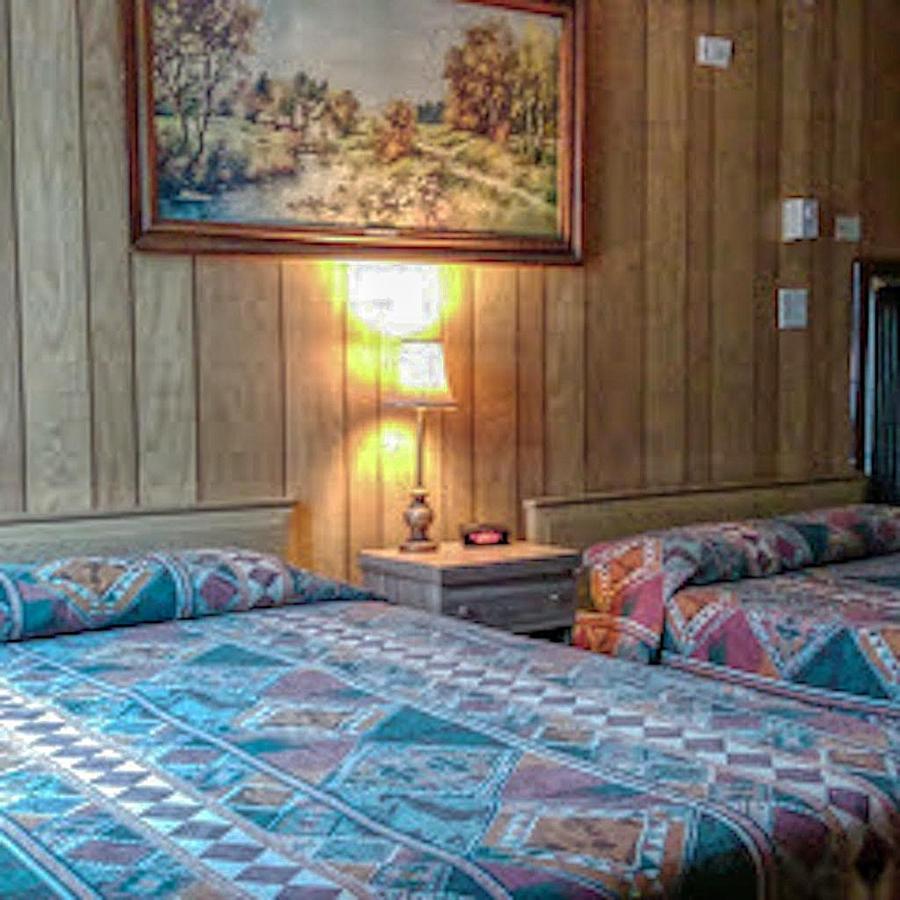
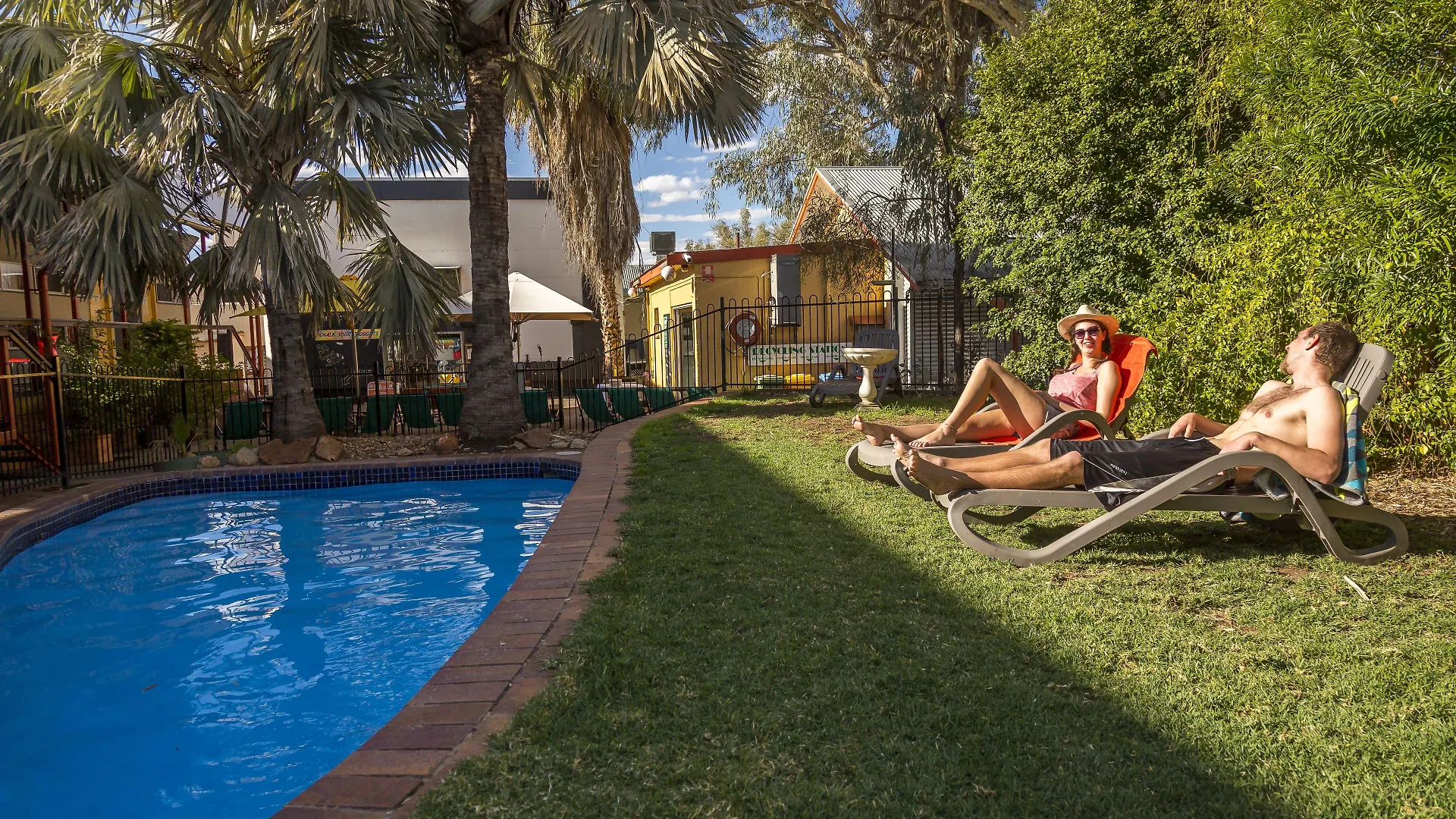
1. Red Rock Hostel
Show on map


 Check-infrom 14:00 until 17:00Check-outfrom 09:00 until 10:00
Just a few rooms left at the best rate!
fromAU$ 35
-
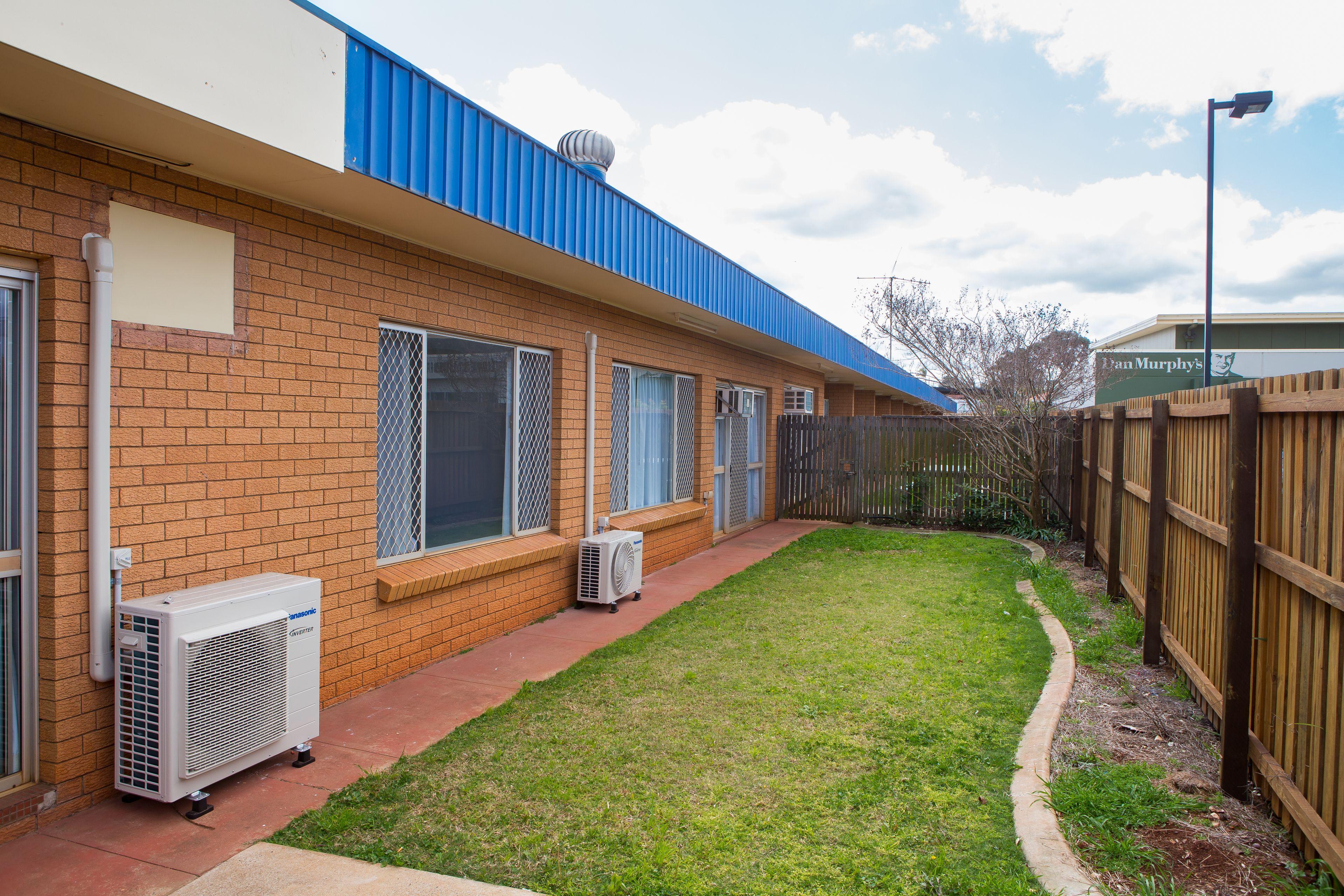
2. Finniss River Lodge
Show on map


 Check-infrom 14:00 until 19:00Check-outfrom 09:00 until 10:00
Just a few rooms left at the best rate!
fromAU$ 3003
Best Premium Stays
These properties command higher rates but deliver immersive, location-first experiences - either on a remote island beach or within walking distance of one of the Territory's most significant gorge systems.
-
3. Cicada Lodge
Show on map


 Check-infrom 14:00 until 23:59Check-outuntil 10:00
Hurry – almost gone at this price!
fromAU$ 837
-
4. Bremer Island Banubanu Beach Retreat
Show on map


 Check-infrom 14:00Check-outuntil 10:00
Rooms filling fast – secure the best rate!
fromAU$ 680
Smart Travel & Timing Advice for Northern Territory
The dry season from May to October is the dominant travel window for Northern Territory, and June through August represents the absolute peak - when gorge water levels are ideal, road access to remote areas is reliable, and temperatures across both the Top End and Red Centre are manageable. During this window, remote lodges like Bremer Island Banubanu and Cicada Lodge can reach full capacity weeks in advance, and last-minute bookings at properties with fewer than 20 rooms are essentially unavailable. The shoulder months of May and September offer a meaningful price and availability advantage with only slightly reduced conditions.
Alice Springs-based accommodation like Red Rock Hostel has more year-round flexibility since the Red Centre's dry and mild conditions extend across a longer window, but summer months (December to February) bring extreme heat exceeding 40°C, which limits outdoor activity time significantly. For Finniss River Lodge and Bremer Island, the wet season (November to April) brings heavy rainfall, flooding of access roads, and restricted activity options - these properties are best visited between May and September exclusively. Booking remote Territory properties 8 to 10 weeks ahead of a June or July stay is the safest approach, while April or October dates may still be available 3 to 4 weeks out.