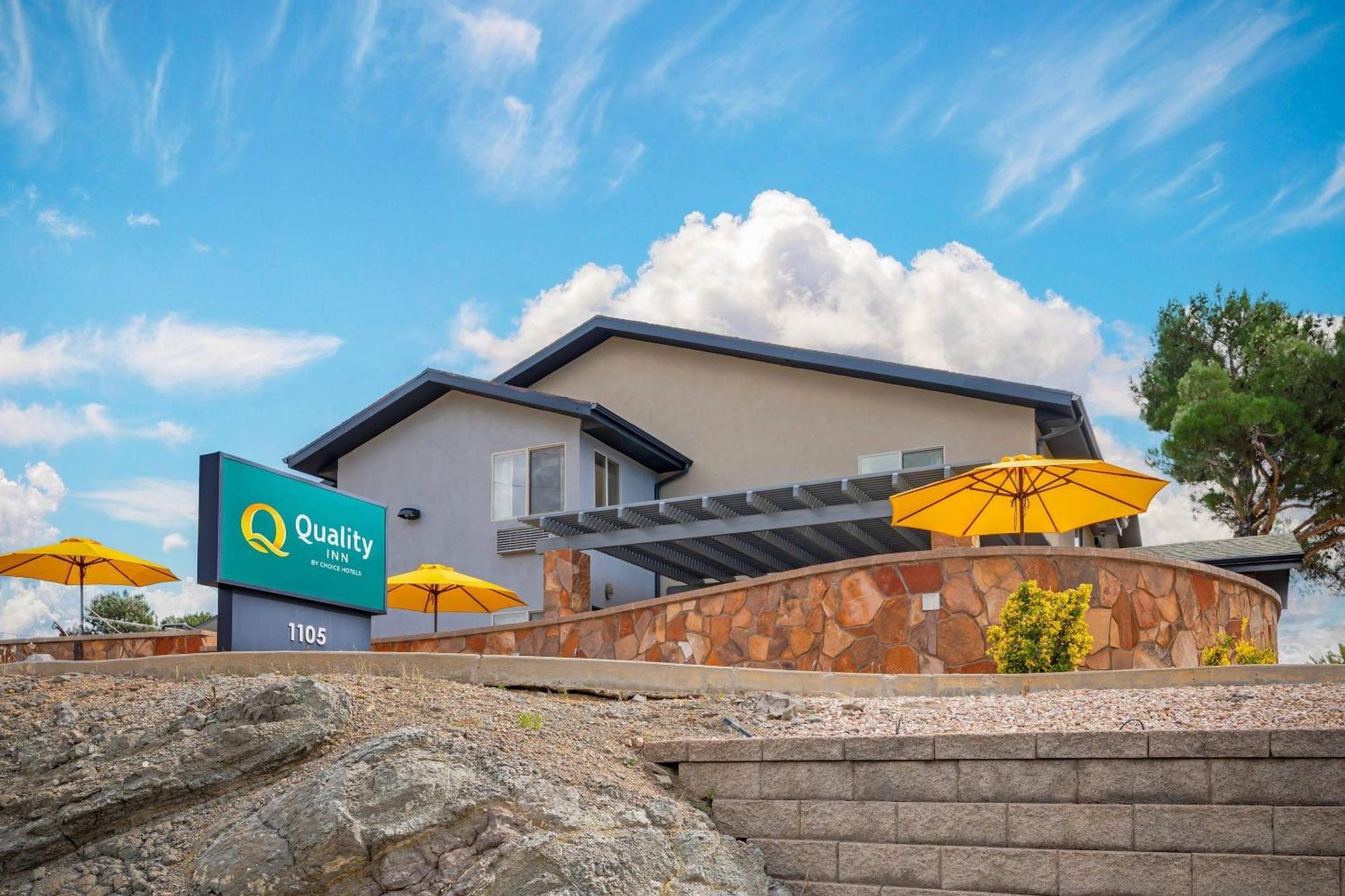
Arizona spans over 113,000 square miles of desert landscapes, canyon country, and sun-baked cities - making your choice of base camp more important than the hotel brand itself. These 8 Best Western hotels are spread across the state from Flagstaff to Parker, giving travelers a consistent standard with location-specific advantages. Whether you're chasing Grand Canyon access, Sonoran Desert hikes, or spring training baseball, this guide breaks down which property fits your actual itinerary.
What It's Like Staying in Arizona
Arizona is one of the most geographically diverse states in the US - within a single trip, you can move from the red rock plateaus of Sedona to the saguaro forests of Tucson to the ski slopes near Flagstaff. Driving is non-negotiable in most of the state; public transit outside of Phoenix's light rail corridor is minimal, and distances between attractions routinely exceed 100 miles. Crowd patterns vary sharply by elevation: the Phoenix metro area sees peak visitor pressure from January through April, while northern Arizona towns like Flagstaff and Heber attract summer and winter visitors drawn to cooler temperatures and outdoor recreation.
Pros:
- Exceptional year-round outdoor access - Grand Canyon, Superstition Mountains, and Colorado River all within day-trip range from multiple hotel locations
- Lower accommodation costs compared to California or Colorado resort towns, with free parking standard at virtually every property
- Diverse micro-climates mean you can find comfortable travel conditions in almost any month depending on elevation
Cons:
- Summer heat in low-elevation cities like Parker and Goodyear regularly exceeds 110°F, limiting outdoor activity windows
- Car dependency means guests without a rental vehicle are significantly restricted in what they can reach
- Rural areas have limited dining and nightlife options, so hotel on-site amenities matter more than in urban destinations
Why Choose Best Western Hotels in Arizona
Best Western properties in Arizona consistently deliver mid-range value with amenities - free parking, breakfast, pools, and fitness centers - that independent budget hotels in the region rarely match at the same price point. Free parking is included at all 8 locations, which matters significantly in a state where driving is the primary mode of transport and daily parking fees at Phoenix-area hotels can add up to around $20 per night at other chains. Room sizes tend to be practical rather than luxurious, with standard queens offering functional workspace setups suited to road trippers and business travelers rather than resort vacationers.
Pros:
- Outdoor or indoor pools available at nearly every Arizona location, a meaningful amenity given the desert climate
- Breakfast included or available on-site across all properties, reducing daily food costs on longer road trips
- Disability-accessible facilities confirmed at most locations, with 24-hour front desks standard for late arrivals
Cons:
- No luxury spa, fine dining, or resort-style grounds - travelers expecting Scottsdale resort experiences will find these properties functional rather than indulgent
- Some locations are in smaller towns with limited walkable amenities, requiring a car for most meals and activities
- Rooms are standardized in finish; expect consistent comfort but not boutique character or design-forward interiors
Practical Booking and Area Strategy
Positioning matters enormously across Arizona's vast geography. The Phoenix metro cluster - covering Goodyear, Mesa, and Chandler - gives travelers freeway-connected access to Sky Harbor International Airport, spring training stadiums, and major zoo and park attractions without paying downtown Phoenix hotel rates. Flagstaff and Bellemont are the strategic bases for Grand Canyon visits: Bellemont sits directly on Historic Route 66 with the Grand Canyon around 114 km north, and Flagstaff's Amtrak station makes it one of the few Arizona towns reachable without a car. For Colorado River recreation - fishing, kayaking, and off-road trails - Parker and Ehrenberg (Best Western Desert Oasis) are the logical choices, with Blythe Speedway and the river itself minutes away. Book Phoenix-area properties at least 6 weeks ahead during Cactus League spring training (February-March), when rooms across the metro fill fast and rates spike. Northern Arizona hotels near skiing or the Grand Canyon see their own pressure in July and August when Phoenicians flee the heat.
Best Value Stays
These properties offer the strongest combination of accessible pricing, practical amenities, and well-positioned locations for exploring Arizona's major corridors - from the Phoenix metro to the Colorado River.
-
1. Best Western Phoenix Goodyear Inn
Show on map


 Check-infrom 15:00 until 23:59Check-outuntil 11:00
Just a few rooms left at the best rate!
fromUS$ 73
-
2. Best Western Superstition Springs Inn
Show on map


 Check-infrom 15:00 until 23:59Check-outuntil 11:00
Just a few rooms left at the best rate!
fromUS$ 72
-
3. Best Western Inn Of Chandler
Show on map


 Check-infrom 15:00 until 23:59Check-outuntil 11:00
Just a few rooms left at the best rate!
fromUS$ 70
-
4. Best Western Parker Inn
Show on map


 Check-infrom 15:00 until 23:59Check-outuntil 11:00
Hurry – almost gone at this price!
fromUS$ 105
-
5. Best Western Desert Oasis
Show on map


 Check-infrom 15:00 until 23:59Check-outuntil 11:00
Hurry – almost gone at this price!
fromUS$ 66
Best Premium Options
These three properties stand out for specialized location advantages - ski and mountain access, Grand Canyon proximity via Route 66, and a quieter northern Arizona base - making them the stronger picks for targeted itineraries beyond the Phoenix metro.
-
6. Best Western Bellemont Shadow Mountain Inn
Show on map


 Check-infrom 15:00 until 23:59Check-outuntil 11:00
Hurry – almost gone at this price!
fromUS$ 125
-
7. Best Western Sawmill Inn
Show on map


 Check-infrom 15:00 until 23:59Check-outuntil 11:00
Rooms filling fast – secure the best rate!
fromUS$ 113
-
3. Best Western Snowflake Inn
Show on map


 Check-infrom 15:00 until 23:59Check-outuntil 11:00
Rooms filling fast – secure the best rate!
fromUS$ 75
Smart Travel and Timing Advice for Arizona
Arizona's travel calendar splits cleanly by geography. Phoenix metro hotels - Goodyear, Mesa, and Chandler - see their sharpest demand and highest rates from February through April, driven by Cactus League spring training, the Barrett-Jackson car auction, and the influx of snowbirds escaping northern winters. Book these properties at least 6 weeks in advance if your dates overlap with spring training schedules. Northern Arizona locations like Bellemont, Heber, and Snowflake are busiest in July and August when Phoenix-area residents seek cooler elevations, and again in December and January for ski season near Heber. The shoulder months of October and November offer the most favorable combination of cooler desert temperatures, reduced crowds, and lower room rates across the state - particularly for Grand Canyon visits via Bellemont. For Colorado River destinations like Parker and Ehrenberg, spring (March-May) and early fall (September-October) are optimal; summer river temperatures are extreme and accommodation demand spikes with water recreation crowds. A minimum of 2 nights at any single property makes sense given Arizona's driving distances - arriving and leaving the same day wastes the positioning advantage these hotels offer.