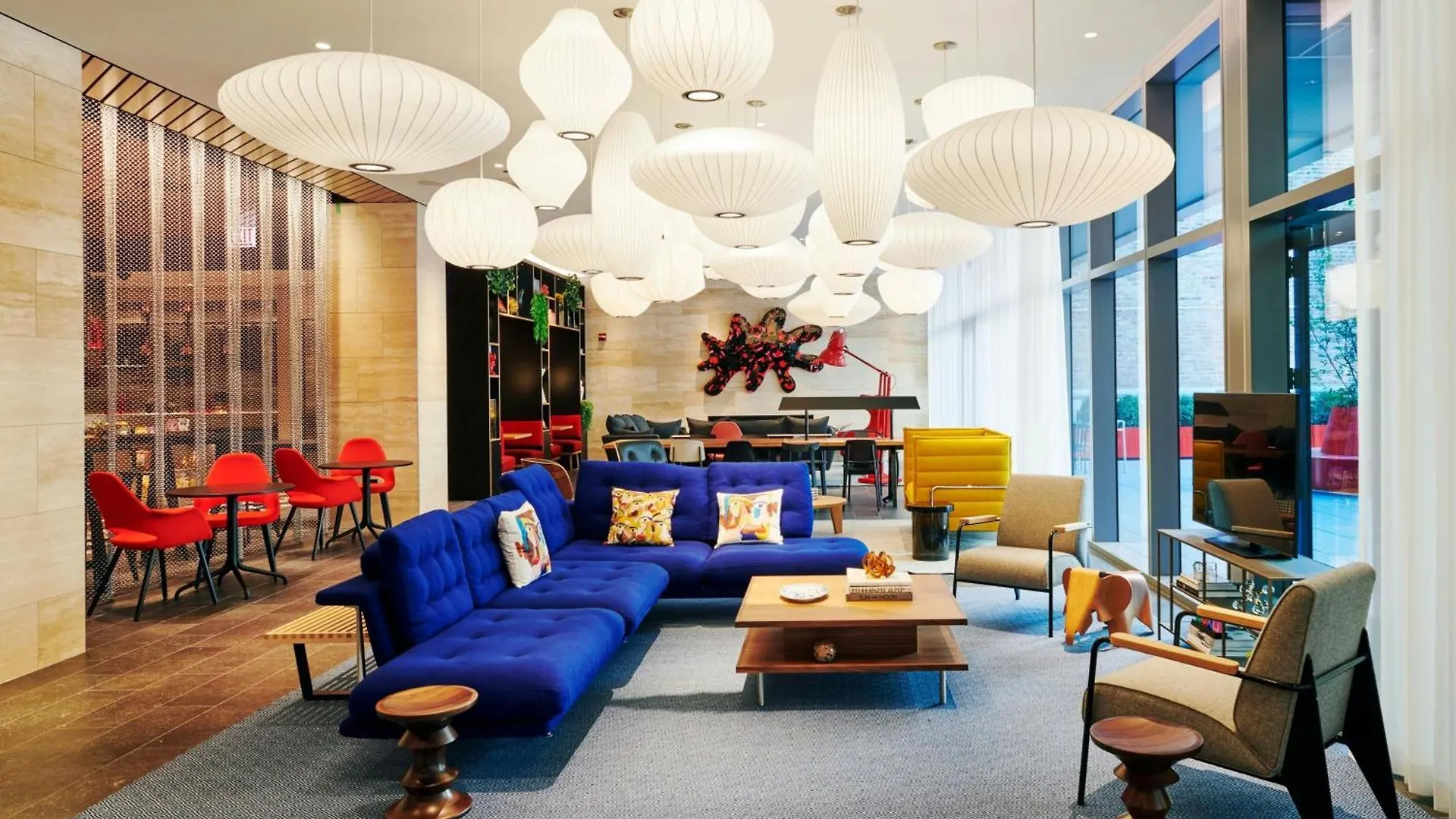
Chicago Loop is the city's commercial and cultural core, placing guests within walking distance of Millennium Park, Willis Tower, the Art Institute of Chicago, and the Chicago Theatre District. Staying here means trading suburban quiet for immediate urban access - the elevated train rattles overhead, Wacker Drive stays active after midnight, and State Street draws crowds seven days a week. These 8 central hotels in Chicago Loop cover a wide spectrum of amenities, from extended-stay suites with full kitchens to rooftop bars overlooking the Chicago River.
What It's Like Staying in Chicago Loop
The Loop is Chicago's nerve center - a dense, walkable grid where the CTA elevated train (the 'L') frames nearly every block and commuter foot traffic on Madison, Wacker, and Michigan Avenue stays heavy until around 9 PM on weekdays. Most Loop hotels put guests within a 10-minute walk of Millennium Park, the Chicago Riverwalk, and the Theater District, which means fewer transit decisions and more time on the ground. Weekend mornings are noticeably calmer than weekdays, as the business district empties of commuters and tourists haven't yet peaked - a rhythm that catches first-time visitors off guard.
Pros:
- Direct walking access to Cloud Gate, the Art Institute, and the Chicago Riverwalk without needing transit
- Multiple CTA 'L' lines converge at Clark/Lake and Washington stations, connecting to O'Hare in around 45 minutes
- High concentration of dining, theater, and business venues within a 5-block radius of most hotels
Cons:
- Elevated train noise is audible from rooms on lower floors facing the tracks - request high floors or interior-facing rooms
- Weekday morning and evening rush hours make street-level walking slower and noisier than expected
- Street parking is scarce and expensive; hotel valet or nearby garages are the practical alternatives
Why Choose a Central Hotel in Chicago Loop
Central hotels in the Loop are positioned to serve both business travelers and visitors who want Chicago's main attractions within reach without relying on rideshares. Unlike hotels in River North or Streeterville, Loop properties often cater to extended stays and corporate clients, which translates into larger room configurations, in-room kitchens in some cases, and reliable business amenities. Room sizes at extended-stay Loop properties tend to run larger than comparable downtown options, particularly those housed in converted historic buildings like the Roanoke Building, where suite-style layouts include separate living and dining areas. Noise levels and density are the real trade-offs - the Loop does not quiet down the way residential neighborhoods do.
Pros:
- Several Loop hotels occupy historic landmark buildings, offering architectural character absent from generic downtown towers
- Extended-stay formats with full kitchens are available, reducing daily meal costs significantly over multi-night stays
- Strong concentration of properties with business centers, meeting rooms, and 24-hour front desks suited to corporate schedules
Cons:
- Premium pricing for Michigan Avenue-facing or river-view rooms can add around 30% over standard Loop rates
- Fewer boutique or independent dining options at street level compared to River North or the West Loop
- Some properties prioritize business amenities over leisure features like pools or spas
Practical Booking & Area Strategy for Chicago Loop
For the best positioning in the Loop, properties along Michigan Avenue between Wacker Drive and Monroe Street offer immediate Riverwalk access and views toward Grant Park - a meaningful upgrade over hotels deeper into the grid on Wells or LaSalle Street. Millennium Park events, particularly summer concerts at the Jay Pritzker Pavilion, drive hotel rates up sharply from June through August; booking at least 6 weeks ahead during this window is standard practice. The CTA Blue Line from O'Hare drops directly into the Loop at Washington and Clark/Lake stations, making airport transfers straightforward without taxi costs. Navy Pier is roughly a 20-minute walk east from most Loop hotels, while the Museum Campus - home to the Field Museum, Shedd Aquarium, and Adler Planetarium - is accessible via a 15-minute cab ride or a scenic 30-minute lakefront walk. Wacker Drive and State Street are the Loop's main arterials for orientation; hotels north of Wacker sit closer to River North's nightlife, while those south of Jackson Boulevard are quieter and closer to the South Loop's cultural institutions.
Best Value Stays in Chicago Loop
These hotels deliver solid Loop positioning with practical amenities at accessible price points - useful for travelers prioritizing location and functionality over luxury finishes.
-
1. Citizenm Chicago Downtown
Show on map


 Check-infrom 14:00 until 23:59Check-outfrom 01:00 until 11:00
Just a few rooms left at the best rate!
fromUS$ 93
-
2. Hilton Garden Inn Chicago Downtown Riverwalk
Show on map


 Check-infrom 16:00 until 23:59Check-outuntil 12:00
Just a few rooms left at the best rate!
fromUS$ 215
-
3. Sentral Michigan Avenue
Show on map


 Check-infrom 16:00 until 23:59Check-outuntil 11:00
Just a few rooms left at the best rate!
fromUS$ 127
-
4. Hilton Garden Inn Chicago Downtown South Loop
Show on map


 Check-infrom 16:00 until 23:59Check-outuntil 11:00
Hurry – almost gone at this price!
fromUS$ 206
Best Premium Stays in Chicago Loop
These properties offer elevated amenities, landmark locations, or distinctive architectural settings that justify higher nightly rates for travelers who want more than a functional base.
-
1. Hyatt Centric The Loop Chicago
Show on map


 Check-infrom 15:00 until 23:59Check-outuntil 12:00
Hurry – almost gone at this price!
fromUS$ 118
-
2. Londonhouse Chicago, Curio Collection By Hilton
Show on map


 Check-infrom 16:00 until 23:59Check-outuntil 12:00
Hurry – almost gone at this price!
fromUS$ 347
-
7. Pendry Chicago
Show on map


 Check-infrom 16:00 until 23:59Check-outuntil 12:00
Rooms filling fast – secure the best rate!
fromUS$ 533
-
4. Residence Inn Chicago Downtown/Loop
Show on map


 Check-infrom 16:00 until 23:59Check-outfrom 11:00 until 12:00
Rooms filling fast – secure the best rate!
fromUS$ 237
Smart Travel & Timing Advice for Chicago Loop
The Loop operates on two distinct seasonal rhythms: summer (June through August) drives the highest hotel rates due to outdoor events at Millennium Park, the Chicago Jazz and Blues Festivals, and lakefront programming, while January and February see rates drop noticeably as business travel slows and leisure visitors avoid the wind-chill. Booking at least 6 weeks ahead is advisable for summer weekends, particularly around the Taste of Chicago festival in July, when room availability tightens sharply across all Loop categories. A midweek stay (Tuesday through Thursday) consistently yields lower rates than weekend nights, which is unusual compared to leisure-heavy neighborhoods - the Loop's business-travel baseline keeps weekday demand high but makes Sunday nights particularly affordable as a check-in point. Three to four nights is the practical minimum to extract value from the Loop's walkable density; shorter stays rarely allow time to reach the Museum Campus, Navy Pier, and the Magnificent Mile without feeling rushed. Last-minute bookings in November and early December can surface strong rates before the holiday season shopping surge pushes Michigan Avenue hotel prices back up through Christmas.