The Northern Highlands of Scotland stretch from Caithness in the northeast to Sutherland in the northwest, covering one of the most sparsely populated and scenically dramatic corners of the British Isles. Staying centrally in this region means positioning yourself within reach of landmarks like Dunnet Head (the UK's most northerly mainland point), John O'Groats, Ben Hope, and the Kyle of Tongue - all without the need for exhausting cross-country drives each day. The four hotels in this guide sit in or near village hubs and market towns that give genuine access to both the NC500 route and the region's coastal and inland attractions.
What It's Like Staying in the Northern Highlands
The Northern Highlands operate on a pace and logic entirely unlike urban Scotland. There are no city buses, no Uber, and no late-night supermarkets - a hire car is essential for nearly all visitors. Villages like Tongue, Dunnet, and Halkirk serve as quiet bases from which guests access vast wilderness, with single-track roads connecting most of the major landmarks. Crowds are highly seasonal: the NC500 route sees a sharp surge between June and August, while the shoulder months of April-May and September-October offer dramatically quieter roads and around 30% lower accommodation rates in most properties.
Pros:
- Unmatched access to NC500 highlights including Dunnet Head, Cape Wrath, and Smoo Cave without long daily drives
- Village-based stays place guests within minutes of distilleries, fishing rivers, and trailheads that urban bases cannot match
- Authentic local hospitality, with most hotels sourcing food from within the county and offering locally produced drinks
Cons:
- No public transport network means self-driving is mandatory - not suited to car-free travellers
- Limited evening dining options outside the hotel itself, particularly in smaller villages like Tongue or Dunnet
- Mobile signal and broadband connectivity can be unreliable in remote village locations
Why Choose a Centrally Located Hotel in the Northern Highlands
Centrally located hotels in the Northern Highlands are defined not by proximity to a city centre - there isn't one - but by their position relative to the region's key routes and natural landmarks. A well-placed hotel in Thurso, Halkirk, Tongue, or Dunnet saves drivers around 45 minutes of dead mileage compared to staying off-route. These properties tend to be independently operated, with genuine local character: stone-built architecture, locally sourced restaurant menus, and staff with firsthand knowledge of road conditions and seasonal access. Nightly rates at these central options typically sit below those of larger Highland resort hotels, while delivering equivalent or superior access to the landscape.
Pros:
- Strategic positioning along the NC500 and A836 corridor reduces daily driving time significantly
- Most centrally placed properties include free private parking - a practical necessity given the distances involved
- On-site bars and restaurants mean guests are not dependent on finding open venues in remote villages after dark
Cons:
- Room counts are small, meaning availability disappears quickly in summer - advance booking is critical from June to August
- Few properties have leisure facilities such as pools or gyms; the outdoors is the amenity here
- Some central locations still require a short drive to reach the most photogenic coastal spots
Practical Booking & Area Strategy for Northern Highlands
Thurso is the largest town in the Far North and functions as the most practical logistical base: it has fuel stations, a supermarket, a railway terminus (the UK's most northerly), and ferry connections to Orkney from nearby Scrabster. Staying within 15 km of Thurso - as three of the four hotels here do - gives access to both the northeast Caithness coast and the northwest Sutherland route without committing to one direction. The village of Tongue sits on the northwest corridor and is better suited to travellers prioritising Ben Loyal, the Strathnaver valley, or the beaches of Torrisdale Bay. John O'Groats, a popular stopping point, is around 20 km east of Thurso and is easily reached as a day excursion from any of these bases. Peak booking pressure is highest in July, when NC500 campervan and car traffic is at maximum density - securing rooms at least 8 weeks ahead is strongly advised for that month.
Best Value Stays
These hotels deliver strong positional value along the Far North corridor, with well-established local credentials and all key practical amenities included in the rate.
-
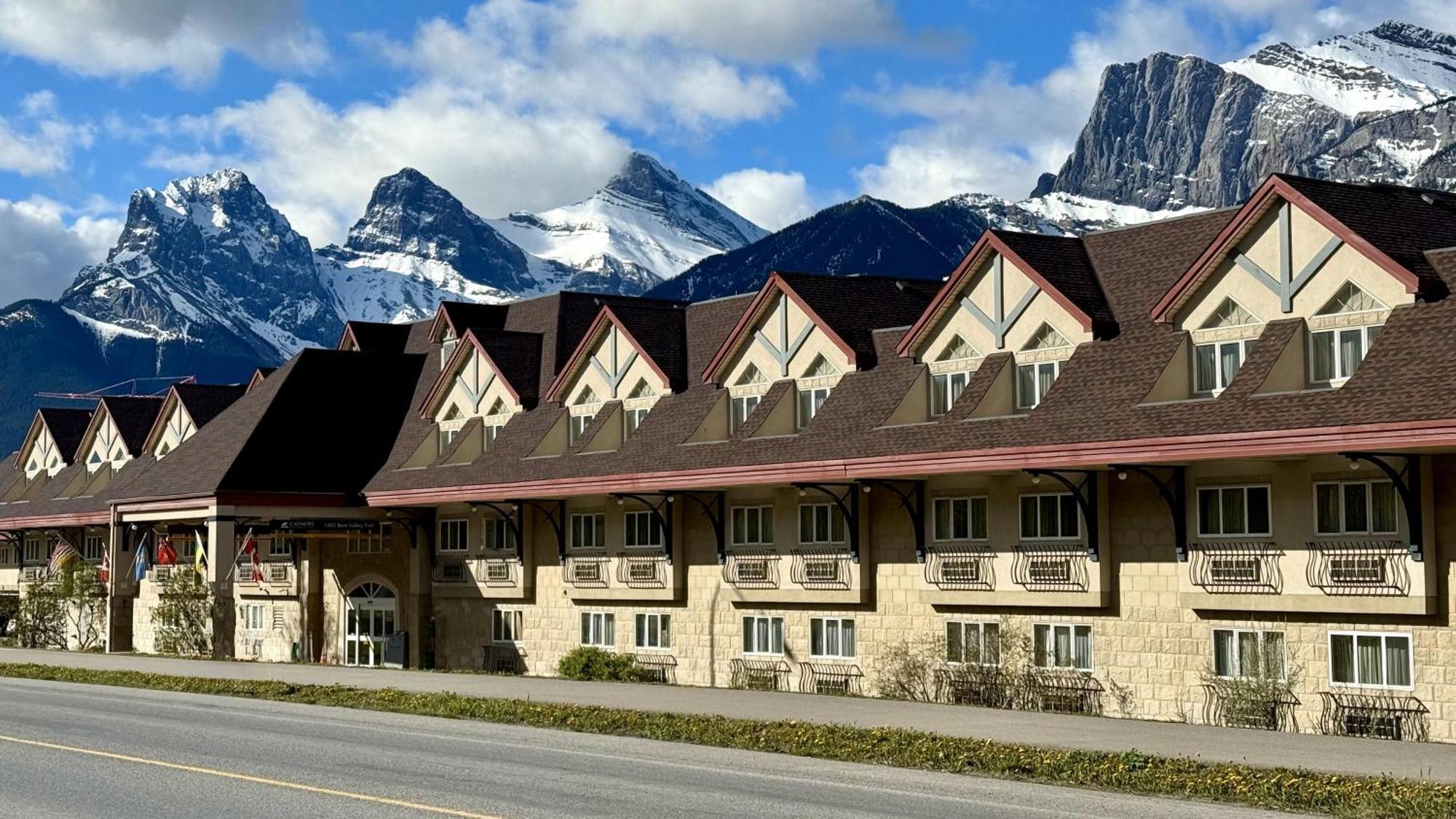
1. Northern Sands Hotel
Show on map


 Check-infrom 16:00 until 22:00Check-outfrom 06:00 until 10:00
Just a few rooms left at the best rate!
from£ 122
-
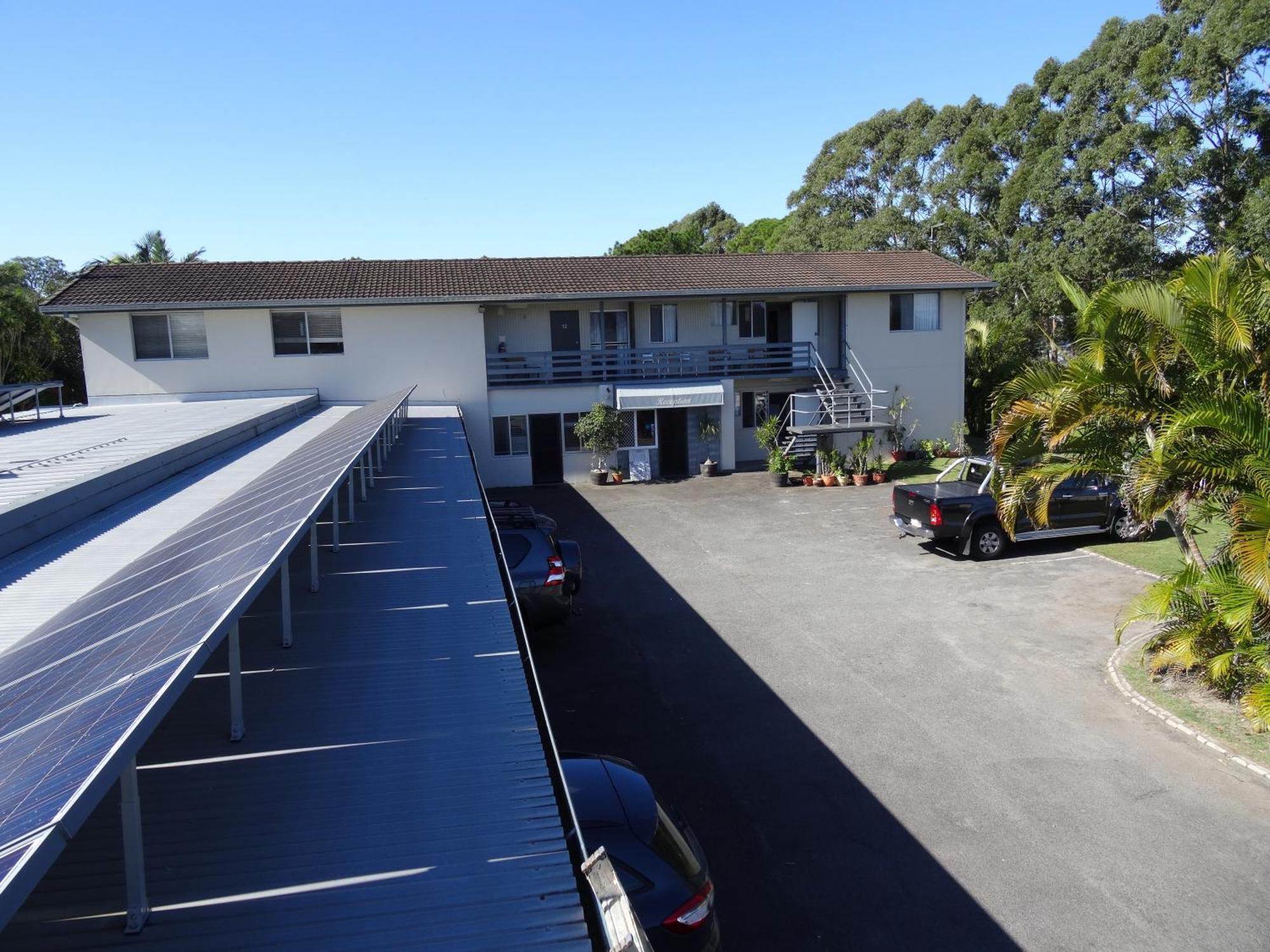
2. Pentland Lodge House
Show on map


 Check-infrom 15:00 until 20:00Check-outuntil 11:00
Just a few rooms left at the best rate!
from£ 100
-
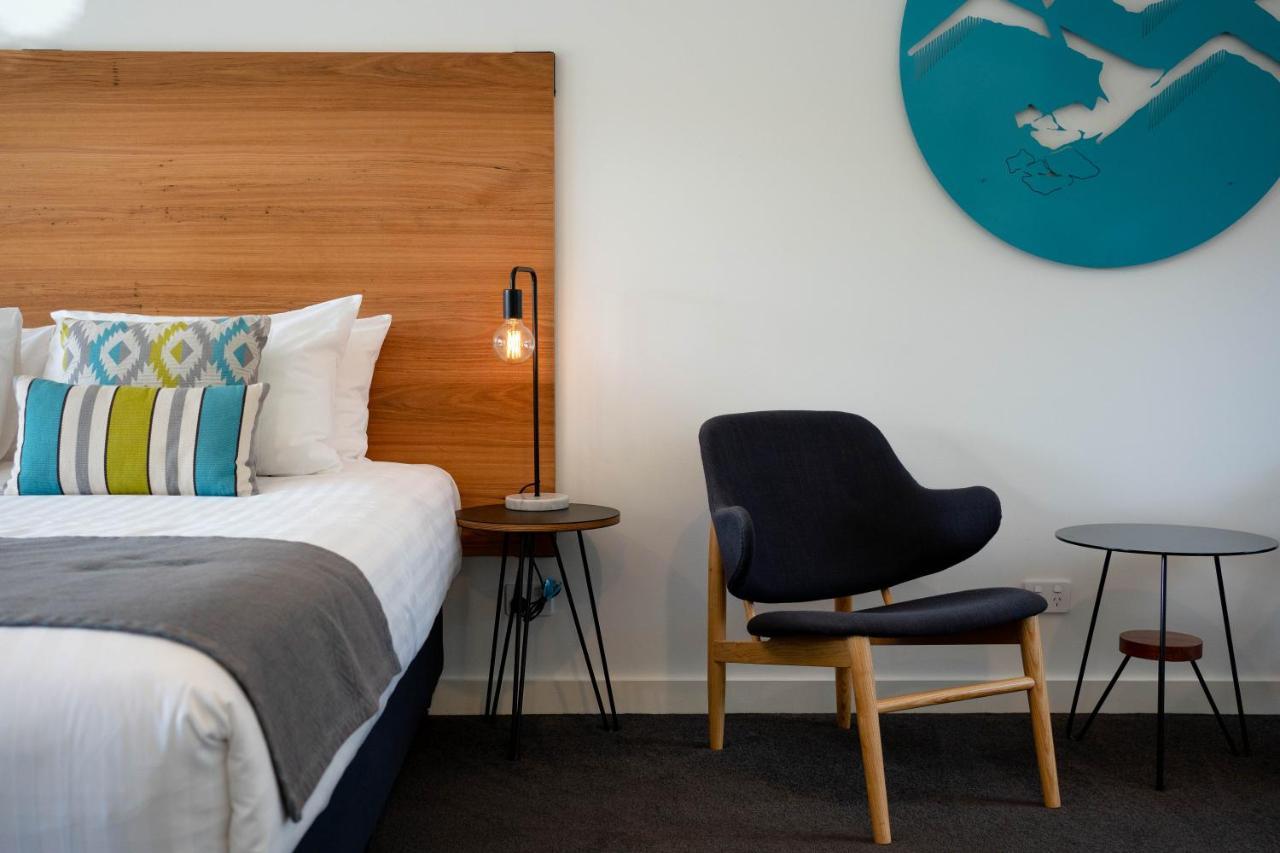
3. Ulbster Arms Hotel Near Thurso
Show on map


 Check-infrom 15:00 until 23:59Check-outfrom 07:00 until 11:00
Hurry – almost gone at this price!
from£ 149
Best Premium Stay
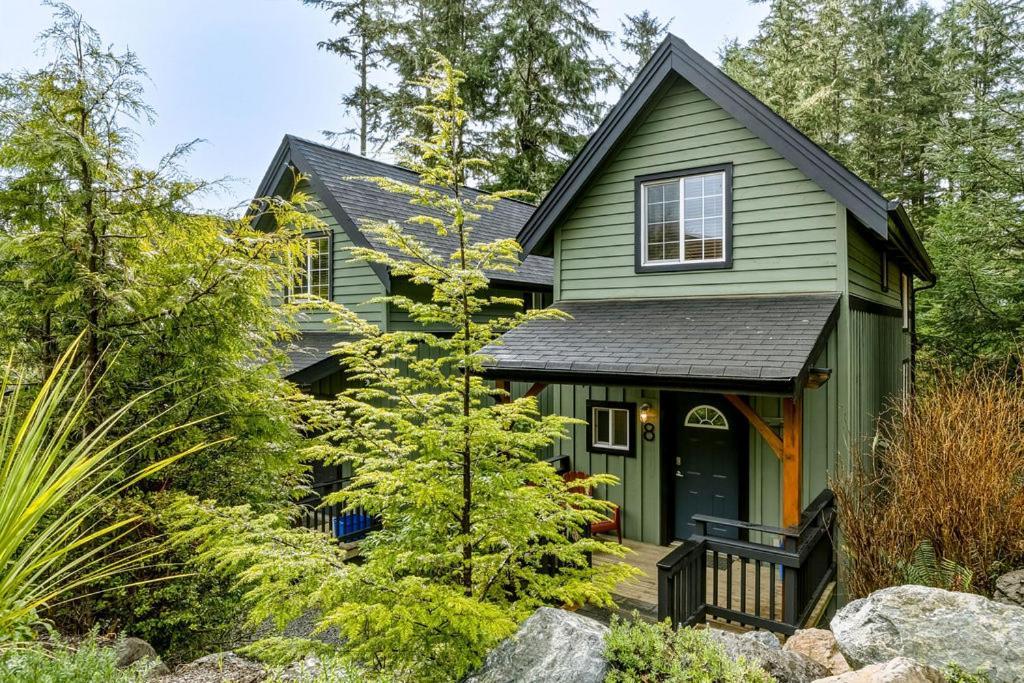
For travellers seeking a hotel with genuine heritage character, individually designed rooms, and a position on the northwest NC500 corridor, this Victorian lodge stands apart from the Caithness options.
-
4. The Tongue Hotel, By Highland Coast Hotels
Show on map


 Check-infrom 16:00 until 22:00Check-outfrom 07:00 until 10:00
Rooms filling fast – secure the best rate!
from£ 246
Smart Timing & Booking Advice for Northern Highlands Hotels
The Northern Highlands experience two sharply defined seasons. July and August are peak months on the NC500, when rooms at small hotels like these fill weeks in advance and road traffic on single-track routes increases significantly - campervans alone account for a large share of summer visitors. Booking at least 8 weeks ahead for any July stay is the minimum safe window. September and October bring quieter roads, reliable enough weather for hiking and coastal walks, and lower rates at most properties, making them the most tactically sound months for independent travellers. Winter visits (November to February) offer dramatic light and near-total solitude, but many smaller restaurants and attractions reduce hours or close entirely. A minimum stay of three nights is recommended to justify the journey to this part of Scotland - two nights barely allows for Dunnet Head, John O'Groats, and one inland excursion. Last-minute availability occasionally appears in shoulder months when cancellations open up, but this strategy is unreliable given the small room counts at each property.