The Pacific Northwest spans Oregon, Washington, and Idaho - a region where volcanic peaks, old-growth forests, river gorges, and coastal towns create one of the most geographically diverse travel corridors in the United States. Whether you're planning a road trip through the Columbia River Gorge, chasing waterfalls on the Oregon Coast, skiing near Coeur d'Alene, or exploring the urban energy of Spokane, choosing the right leisure hotel shapes the entire experience. This guide breaks down 8 hotels across the region - with real facts on location, facilities, and what each property actually delivers for travelers.
What It's Like Staying in the Pacific Northwest
The Pacific Northwest operates on a pace dictated by nature - trail access, ferry schedules, and seasonal road closures shape itineraries more than urban transit ever will. Most attractions are car-dependent, making free parking at your hotel a genuinely practical asset rather than a perk. Crowd density varies sharply: coastal Oregon towns like Florence and The Dalles stay manageable year-round, while Mount Rainier and the Columbia River Gorge corridors see visitor numbers spike by around 60% between June and September.
Cities like Spokane and Arlington serve as strategic highway hubs rather than destination cities themselves, functioning best as overnight stops between larger natural attractions. Travelers who prefer walkable urban cores may find the region's dispersed layout frustrating, but those focused on outdoor recreation - hiking, skiing, river kayaking - will find the trade-offs entirely worthwhile.
Pros:
Exceptional outdoor access - hiking, skiing, and river activities are minutes from most hotels across the region
Free parking is standard at the majority of properties, eliminating a daily cost that can add up significantly in other U.S. regions
The geographic variety means a single road trip can move from desert canyons to temperate rainforest within a few hours of driving
Cons:
A personal vehicle is essentially mandatory - public transport between towns is limited or nonexistent
Weather changes fast, especially at elevation; rain and low visibility can disrupt outdoor plans without warning
Peak summer demand compresses availability and pushes rates upward, particularly near national forests and scenic byways
Why Choose Leisure Hotels in the Pacific Northwest
Leisure hotels across the Pacific Northwest tend to prioritize practical amenities over luxury finishes - think free parking, kitchenettes, on-site laundry, and trail access over rooftop bars and concierge services. This aligns well with how most visitors actually use these properties: as a base for day trips, not as destinations themselves. Nightly rates at mid-tier leisure hotels in this region average around $120, notably lower than comparable markets in California or the Pacific coast of Washington, making longer multi-night stays financially realistic.
Room sizes at independent inns and motor lodges along Oregon and Idaho highways tend to be more generous than urban hotel counterparts, with space for outdoor gear storage - a real consideration when traveling with bikes, ski equipment, or kayaking kit. The trade-off is that amenity depth can be thinner than chain hotels: some properties offer minimal dining options, requiring guests to plan around nearby restaurants or self-cater. That said, properties near river towns and ski corridors frequently include ski equipment hire, hot tubs, and seasonal pool access that add recreational value without premium pricing.
Pros:
Free parking is near-universal, a meaningful daily saving for road-tripping travelers
Many properties include kitchenettes or microwaves, reducing reliance on restaurants during multi-day stays
Proximity to trailheads, ski areas, and scenic byways means zero commute to the region's main draws
Cons:
On-site dining can be sparse - several properties have no restaurant, requiring evening drives to find food
Leisure hotels here are rarely within walking distance of multiple attractions; a car is always needed
Amenity consistency varies widely between independent motels and branded properties, making reviews critical before booking
Practical Booking & Area Strategy
The Pacific Northwest's leisure hotel landscape is best understood as a series of gateway towns rather than a single hub. Coeur d'Alene, Idaho positions travelers within reach of Silverwood Theme Park, multiple ski resorts, and Lake Coeur d'Alene itself - the lake town infrastructure is well-developed for leisure visitors. Spokane Valley sits roughly 27 km from Spokane International Airport and serves as a quieter, more affordable alternative to downtown Spokane, with direct highway access toward MeadowWood Golf Course and eastern Washington recreation areas.
In Oregon, Florence on the Siuslaw River is a compact Old Town you can walk in under 10 minutes, with Heceta Head Lighthouse reachable within 25 minutes by car - making it one of the most efficient bases for coastal Oregon exploration. The Dalles sits along the Columbia River Gorge National Scenic Area, where the Columbia Gorge Discovery Center, Maryhill Winery, and river access are all within a short drive. Book at least 8 weeks ahead for summer stays near any Oregon coast or Columbia Gorge property - late bookers regularly face sold-out weekends from July through August. Arlington, Washington, provides a strategic midpoint for travelers moving between Seattle and the North Cascades, with Snohomish County Airport nearby and forest parks accessible within 25 km.
Best Value Stays
These properties deliver solid leisure fundamentals - free parking, functional amenities, and strong access to regional attractions - at rates that make multi-night stays financially straightforward.
-
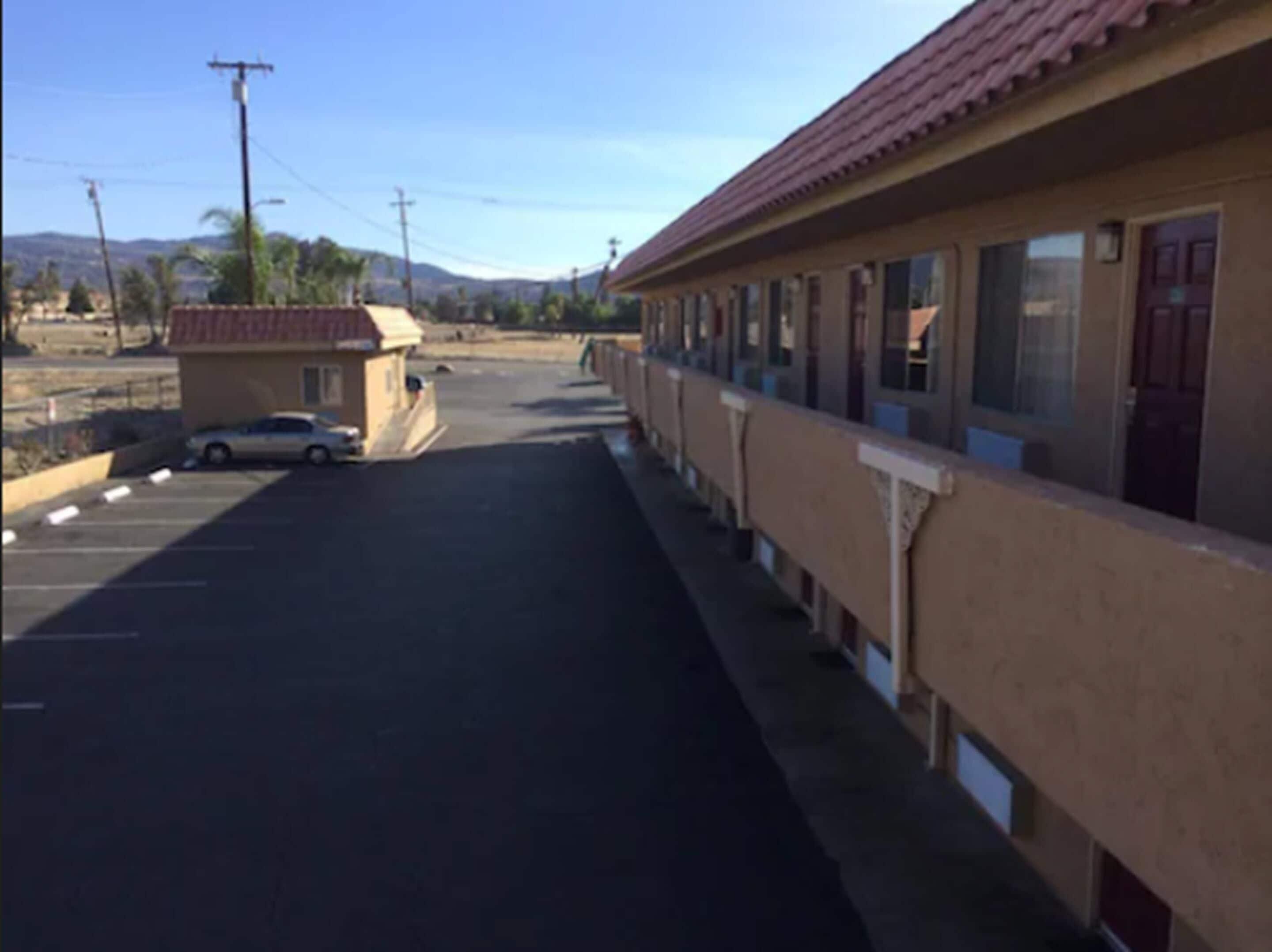
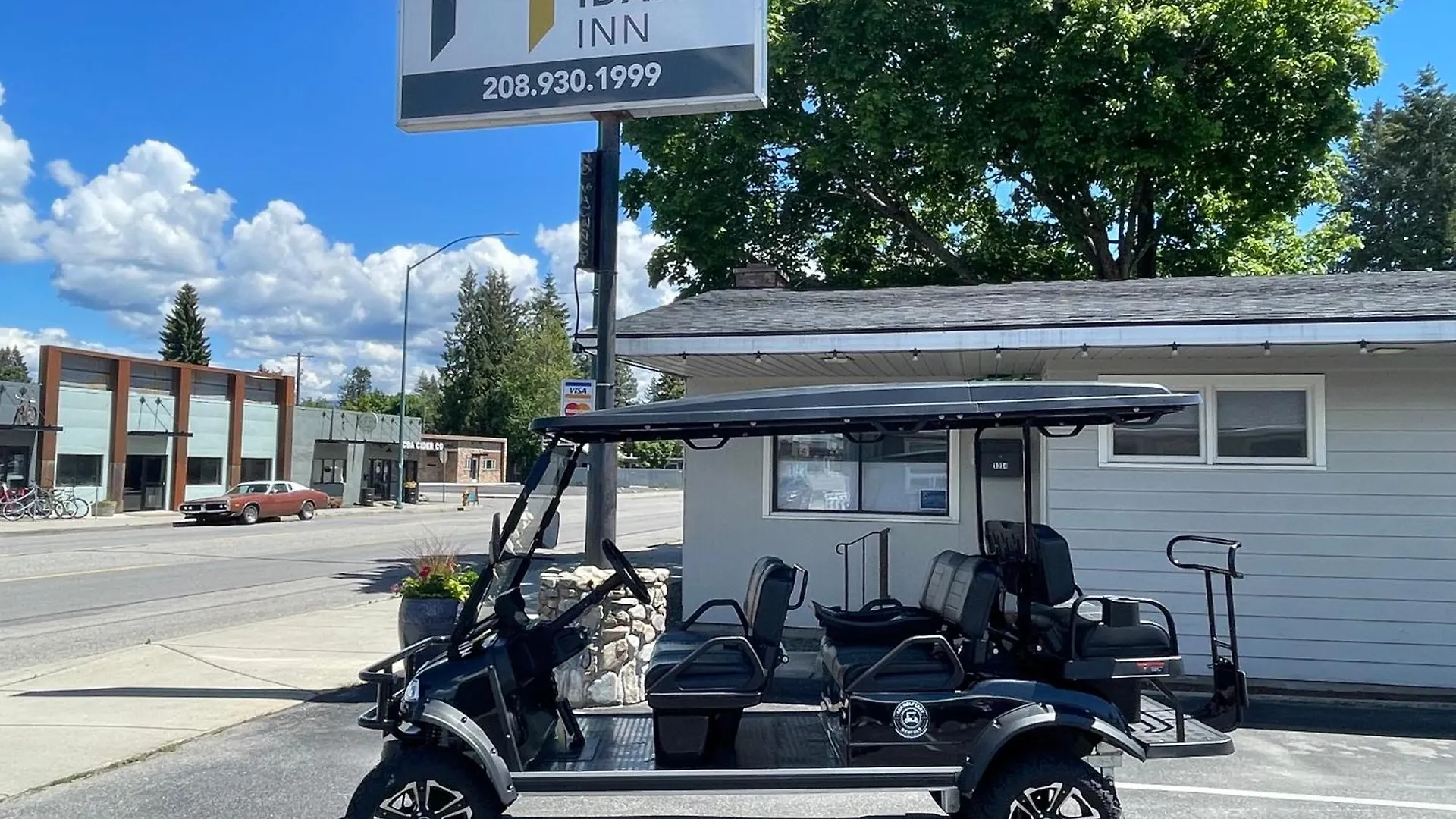
1. North Idaho Inn
Show on map


 Check-infrom 15:00 until 23:59Check-outuntil 11:00
Just a few rooms left at the best rate!
fromUS$ 109
-
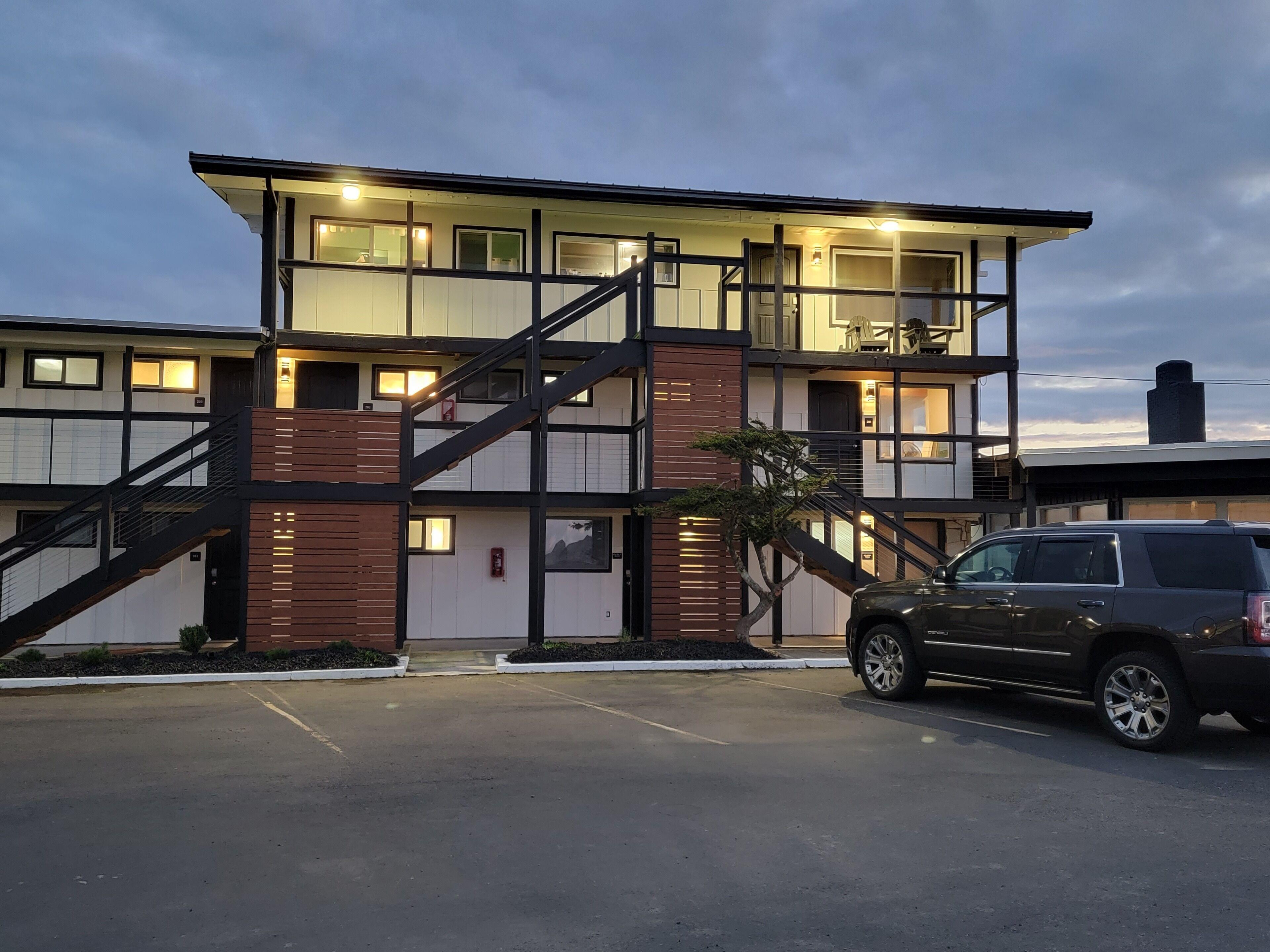
2. Smokey Point Motor Inn
Show on map


 Check-infrom 15:00 until 23:30Check-outfrom 08:00 until 11:00
Just a few rooms left at the best rate!
fromUS$ 85
-
3. Motel 6 Rexburg, Id
Show on map


 Check-infrom 15:00 until 23:59Check-outuntil 11:00
Just a few rooms left at the best rate!
fromUS$ 111
-
4. Oyo Woodland Hotel And Suites
Show on map


 Check-infrom 15:00 until 23:59Check-outuntil 11:00
Hurry – almost gone at this price!
fromUS$ 102
Best Premium Stays
These properties offer expanded amenities, stronger on-site dining, or superior positioning relative to Pacific Northwest attractions - making them worth the additional cost for travelers who want more from their base.
-
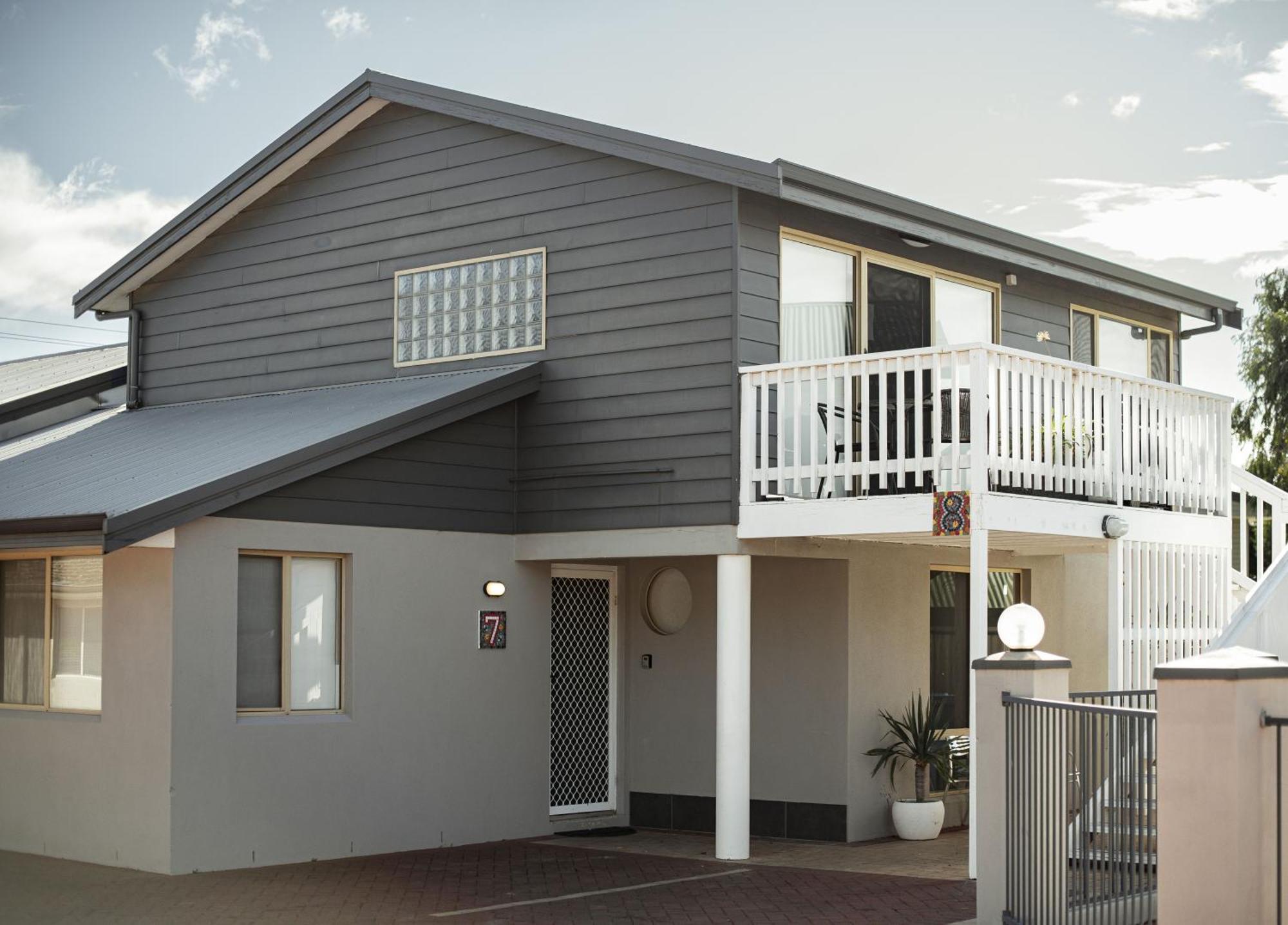
5. River House Inn, A Baymont By Wyndham
Show on map


 Check-infrom 16:00 until 23:59Check-outuntil 11:00
Hurry – almost gone at this price!
fromUS$ 119
-
6. Mainstay Suites Spokane Valley
Show on map


 Check-infrom 15:00 until 23:59Check-outuntil 11:00
Hurry – almost gone at this price!
fromUS$ 85
-
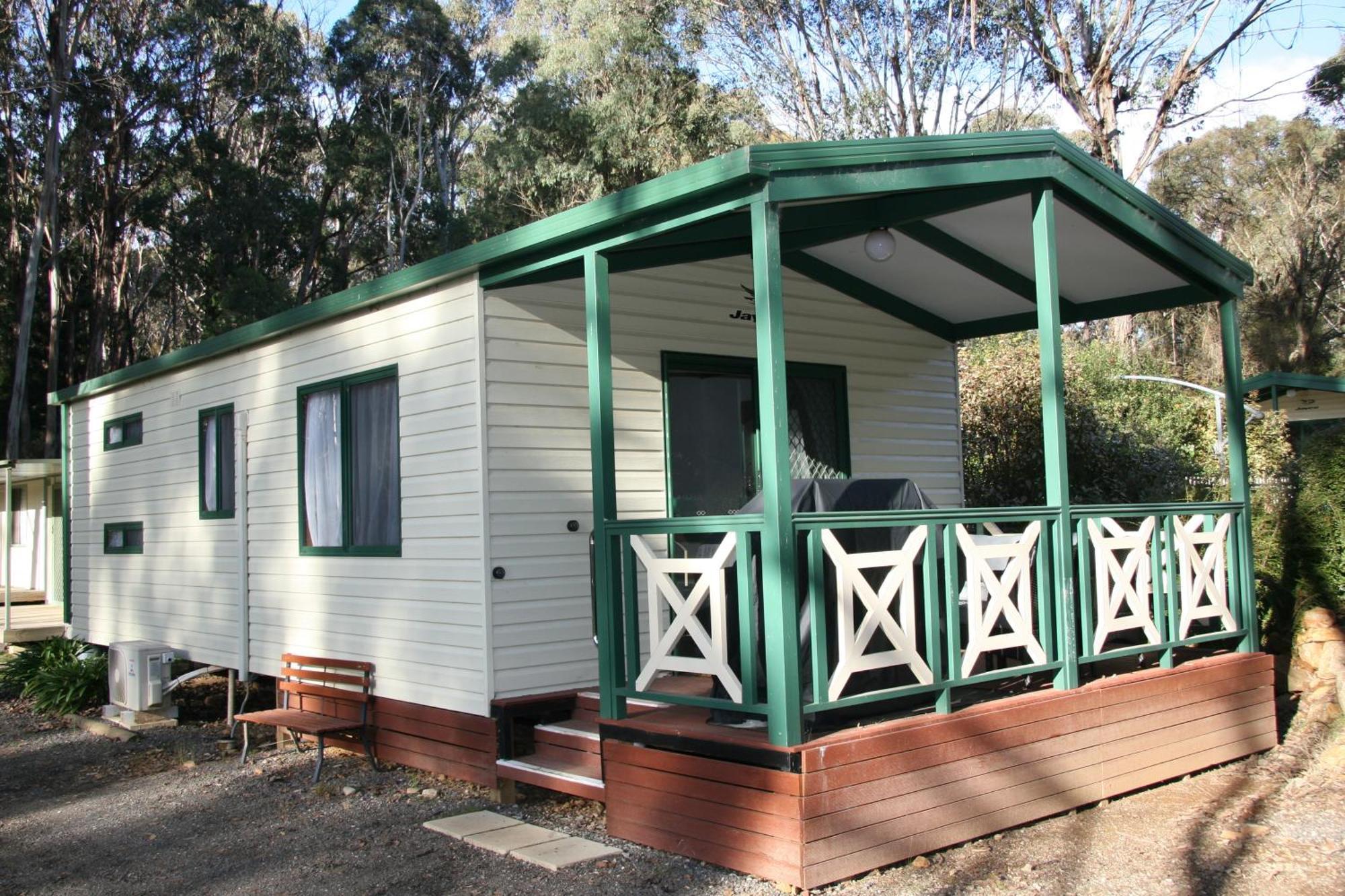
7. Cousin'S Country Inn
Show on map


 Check-infrom 16:00 until 23:59Check-outuntil 11:00
Rooms filling fast – secure the best rate!
fromUS$ 99
-
8. Bridge Street Inn
Show on map


 Check-infrom 16:00 until 22:00Check-outfrom 06:00 until 11:00
Rooms filling fast – secure the best rate!
fromUS$ 69
Smart Travel & Timing Advice for the Pacific Northwest
July and August are the peak months across nearly the entire Pacific Northwest leisure corridor - coastal Oregon, the Columbia River Gorge, northern Idaho lake towns, and Washington's forest parks all see maximum visitor volume simultaneously. Hotel rates rise sharply during this window, and availability near popular trailheads and scenic byways tightens weeks in advance. Travelers with flexibility should consider May, June, or September - shoulder seasons where temperatures remain favorable for hiking and road trips but crowds thin noticeably and nightly rates can drop by around 25%.
For ski-focused stays near Coeur d'Alene or eastern Idaho, January and February deliver the most reliable snowpack, though holiday weekends in late December book out fast. A minimum of 3 nights is recommended for any property used as a base for Oregon Coast or Columbia Gorge exploration - the driving distances between key attractions mean single-night stays rarely allow enough time to cover the region meaningfully. Early booking is the dominant strategy here: last-minute availability in summer is rare and expensive, particularly for properties with free parking and kitchen facilities that attract road-tripping families.